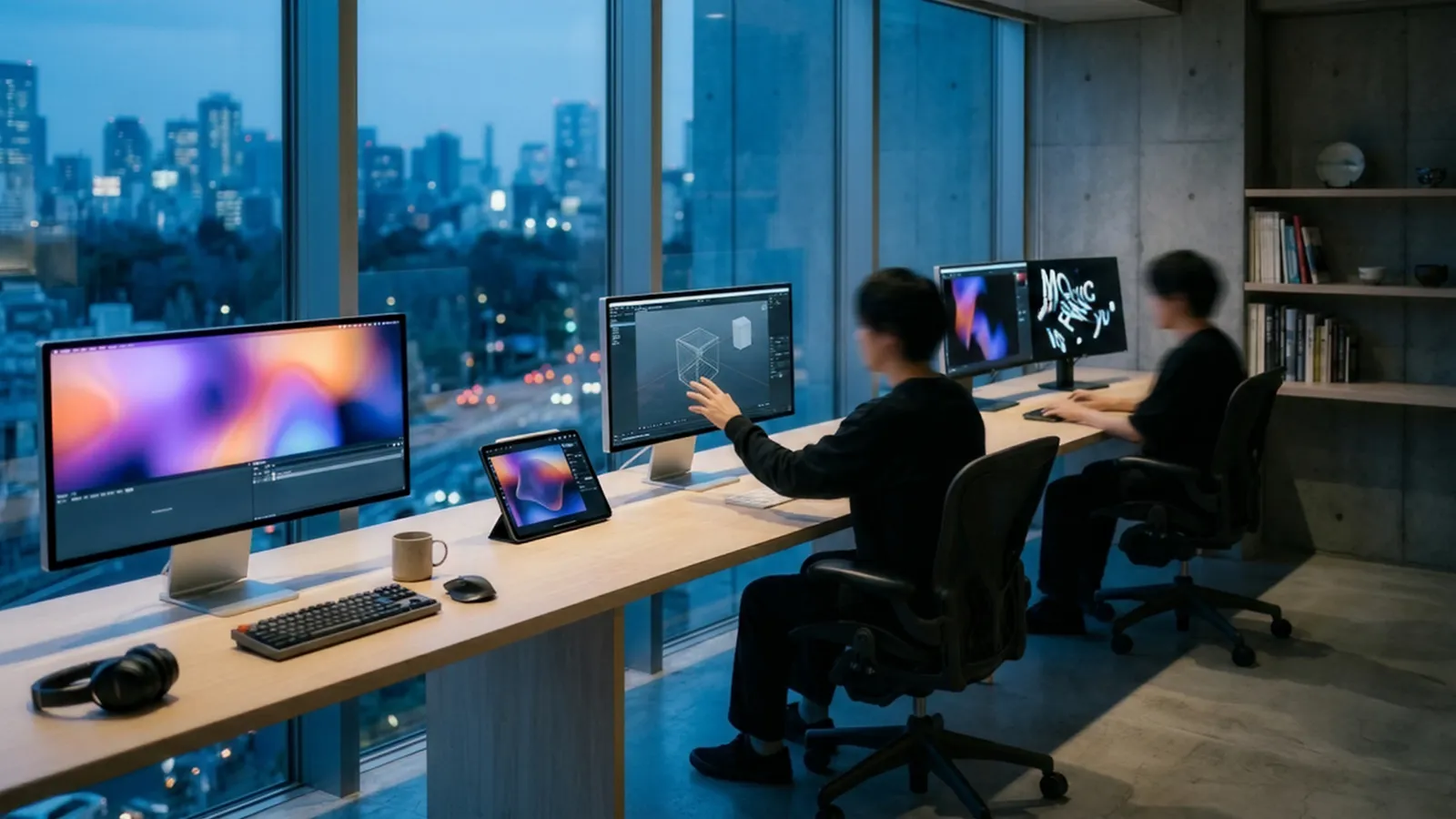
Japan's creative web scene punches above its weight. Here's who to call.
Japanese digital studios blend meticulous craft with bold experimentation — the same ethos that shaped everything from automotive design to animation. For global brands, this means partners who obsess over details most agencies skip, delivered at price points that make Western budgets stretch further.
The yen's current position makes Japan even more attractive for international projects. Studios here routinely win Awwwards, FWA, and CSS Design Awards while operating at 30-50% lower rates than comparable US or European agencies. For context on why Japan excels at web experiences, see our guide to creative studios in Osaka. And before you brief anyone, it helps to understand what the Japanese web design aesthetic actually is — the density-vs-ma spectrum these studios work across.
Who this is for: Brand directors, marketing leads, CTOs, and agency buyers evaluating Japanese web design partners for campaigns, brand sites, and digital experiences.
Key Takeaways
- 14 vetted Japanese studios, from legendary ateliers (tha, mount inc.) to engineering-led shops (Utsubo, baqemono) and experiential specialists (AID-DCC, JUNNI).
- Awards verified: each studio is cited with a real signature project and its Awwwards, FWA, or CSS Design Awards recognition.
- Budgets run ¥3M–¥20M+ ($20K–$140K+), typically 30–50% below comparable US/EU agencies.
- Tokyo has the densest talent, but Osaka/Kyoto studios (Utsubo, AID-DCC) deliver comparable craft at keener budgets.
- Pick by project, not prestige: use the comparison table to match your brief — flagship press, technical 3D, enterprise scale, recruitment, or experiential.
How We Evaluated
We shortlisted studios based on:
- Creative impact: Art direction, interaction design, and visual identity work.
- Engineering reliability: Modern stack (React/Next, Three.js, WebGL/WebGPU), performance awareness, clean handoffs.
- Project fit: Ability to scope properly, communicate in English, and hit deadlines.
- Signals: Awwwards, FWA, CSS Design Awards, notable client work.
- Operations: PM rigor, revision process, post-launch support.
Note: This is a curated shortlist, not a ranking. Different studios suit different briefs.
Japan's Best Web Design Studios (2026)
1) mount inc. — Tokyo
Strengths: One of Japan's most decorated studios. Clients include UNIQLO, KOKUYO, POLA, McDonald's, and The Okura Tokyo.
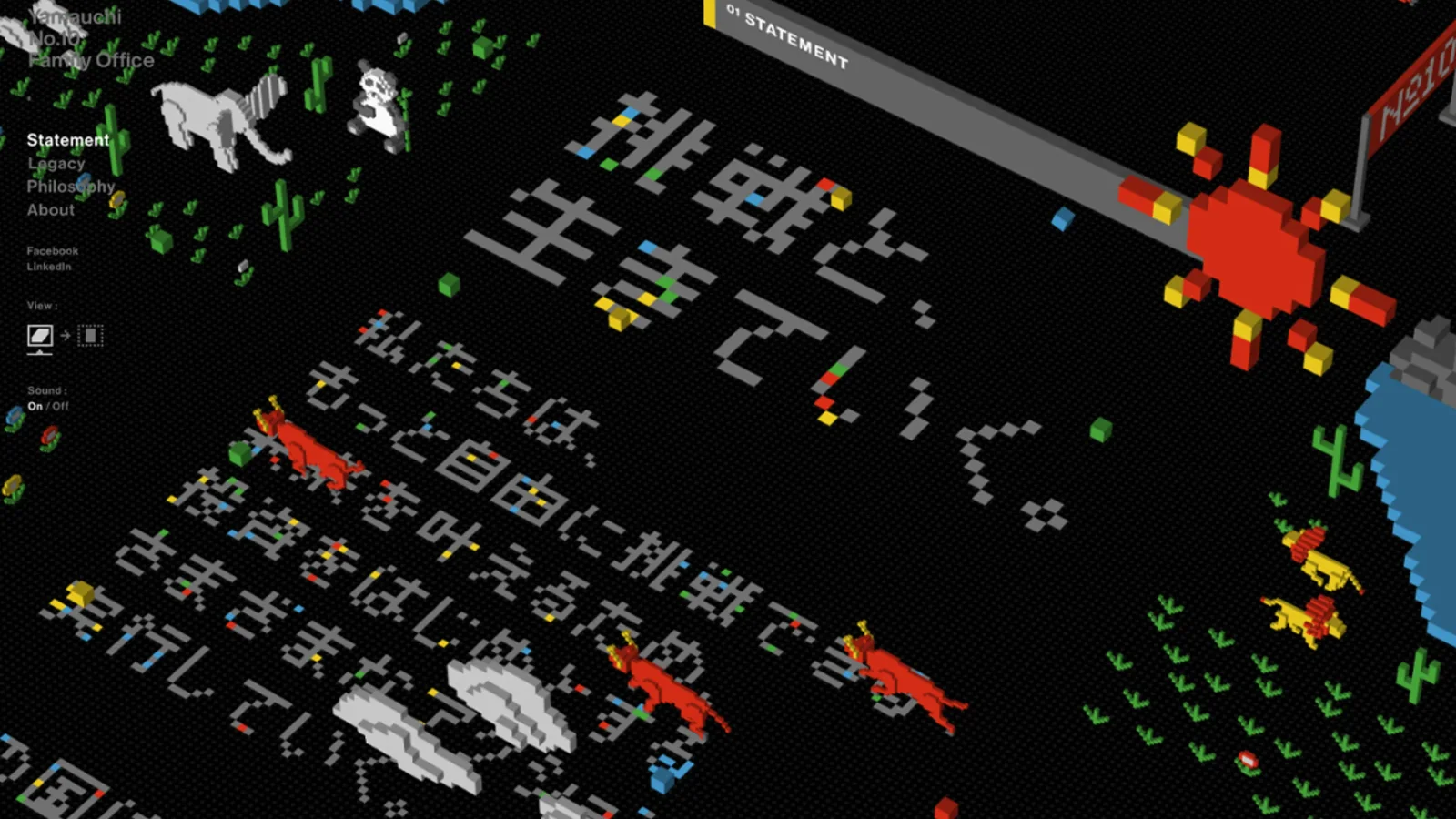
Notable work: The Yamauchi No.10 Family Office site — for the family office of Nintendo's founding family — swept Awwwards Site of the Day (2021), FWA, and CSS Design Awards, a rare three-platform clean sweep that put mount inc. on every international shortlist.
Best for: Brands wanting award-winning creative that generates press and industry recognition.
The honest read: mount sits at the top of the price band, and they're selective about briefs. If you want a site that wins awards and gets written about, this is the call — but expect to compete for their calendar.
Site:mount.jp
2) Utsubo — Osaka / Kyoto
Strengths: Engineering-led builds in WebGPU/WebGL and Three.js with performance budgets baked in from day one. International team with cross-border production experience.
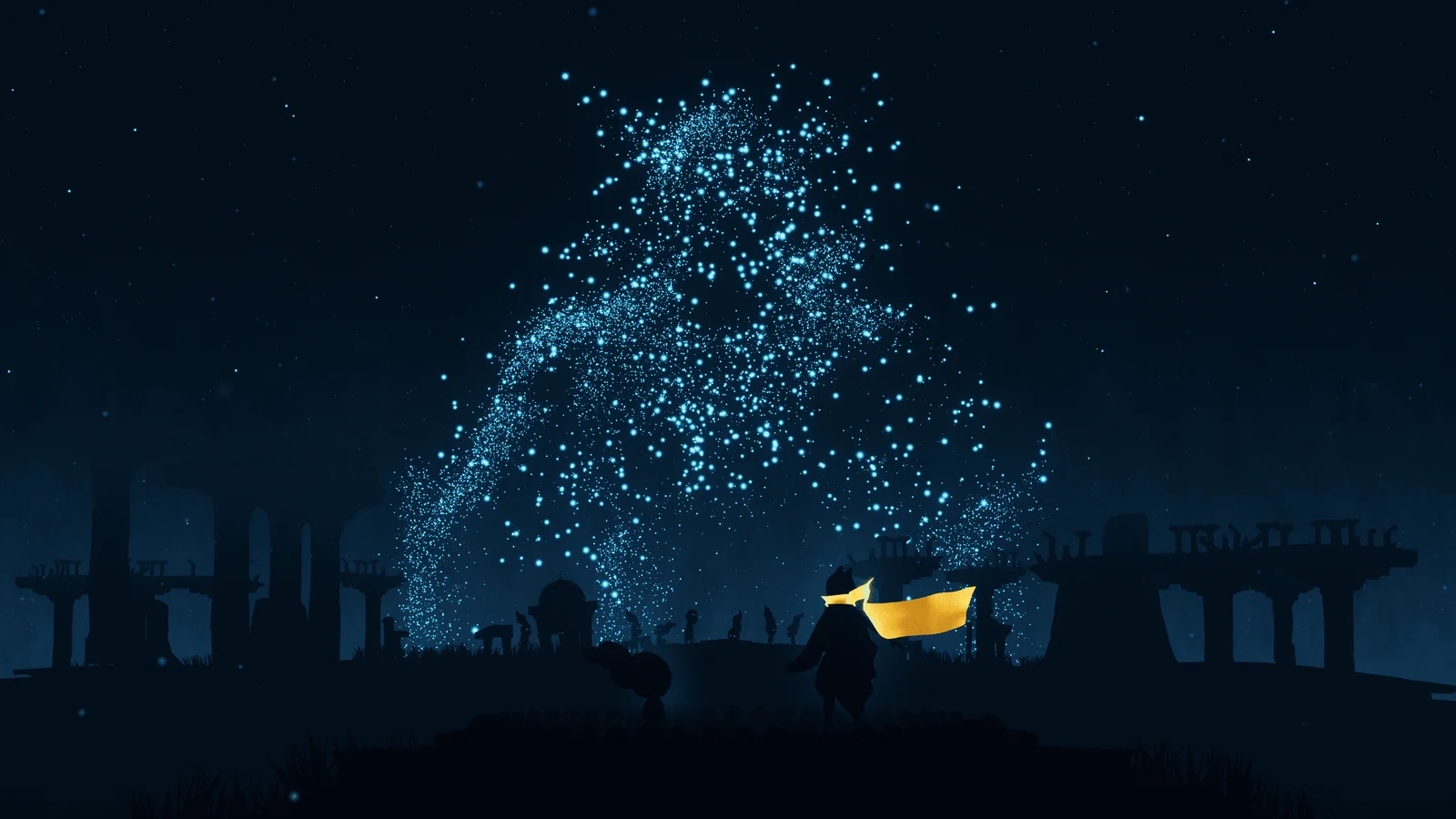
Notable work:IVRESS — a brand experience that plays like a short film, built on Three.js's WebGPURenderer with a WebGL fallback and TSL shaders running on both backends. It was named FWA of the Month (May 2026) and recognized by CSS Design Awards. It's one of roughly nine FWAs the studio has earned for pushing real-time web rendering.
Best for: Brand sites and interactive exhibits needing polish + reliability under real traffic.
The honest read (it's us): We lead with engineering, so we're the right fit when the hard part is technical — WebGPU, heavy 3D, performance under load — and the wrong fit if you only need a brochure site. We say so on the call.
Site:utsubo.com
3) monopo — Tokyo / London / NYC / Paris
Strengths:Global reach with offices across four continents. Recent work includes Nike SB Japan Diary, UNIQLO UT Global Campaign 2025, Gap Japan 30th Anniversary, and Bose 60th Anniversary.
Notable work: Their own monopo portfolio site won Awwwards Site of the Day (2017) and they hold further Awwwards honors — a studio whose self-presentation matches the work they ship for clients.
Best for:Cross-border campaigns needing Japanese creative sensibility with international execution.
The honest read: monopo's multi-office footprint means you can brief them in your own time zone — a genuine advantage for global brands that most Japan studios can't match. The flip side is they operate more like a network agency than a tight boutique.
Site:monopo.co.jp
4) SHIFTBRAIN — Tokyo / Hiroshima / Amsterdam
Strengths: Full-service branding and digital design — web, logo, art direction, video. Premium client roster includes Panasonic, Toyota/Lexus, Shiseido, NTT DATA, and work on the Osaka Expo 2025 Panasonic pavilion.
Notable work:LIONS GOOD NEWS 2020 (for Cannes Lions Japan) is their calling card — recognized across Awwwards, FWA, and CSS Design Awards, plus a Red Dot "Best of the Best." It's the kind of editorial-meets-data project that shows range beyond a typical brand site.
Best for:Enterprise brands needing comprehensive creative services beyond just web.
The honest read: SHIFTBRAIN is built for enterprise — process, scale, and a roster that reassures procurement. If you're a scrappy startup, you may find them more structured (and pricier) than you need.
Site:shiftbrain.com
5) Garden Eight — Tokyo / Copenhagen
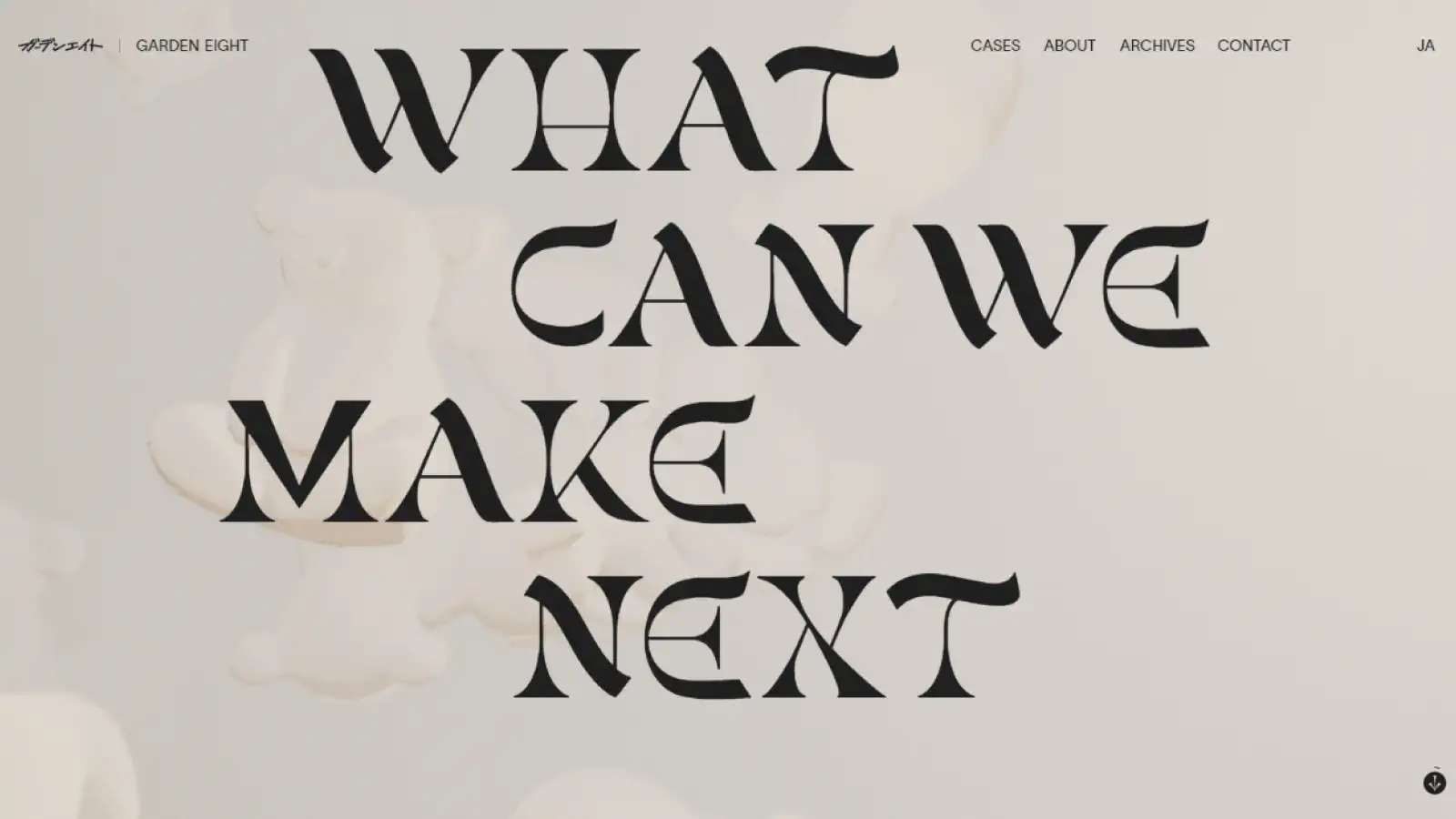
Strengths:Minimal, clean design with illustration-driven storytelling and smart motion accents. Small team with a distinctive, restrained aesthetic.
Notable work: Their site for The Shift won the rarest Awwwards tier — Site of the Month (October 2021) — a recognition only a handful of sites earn each year. Across their portfolio they've accumulated a deep run of Site of the Day awards and Honorable Mentions.
Best for: Refined Japanese aesthetics with subtle animation and editorial sensibility.
The honest read: Garden Eight is the pick when "less, but better" is the brief. Their restraint is a feature, not a limitation — but if you want maximalist 3D spectacle, look elsewhere on this list.
Site:garden-eight.com
6) JUNNI — Tokyo
Strengths:Experience-based creative blending digital and physical. Portfolio includes the ONE PIECE BASE app and THE IDOLM@STER event work.
Notable work: Their own studio site, "Junni is…", won an Awwwards Site of the Day and Developer Award (2022) — the Developer Award matters, because it signals front-end engineering depth, not just visual polish. They've also been recognized by FWA and CSS Design Awards.
Best for: Projects needing interactive experiences that bridge digital and physical touchpoints.
The honest read: JUNNI is strong when the project lives at the seam of web and IRL — apps tied to events, IP collaborations. For a straightforward corporate site, their strengths are partly wasted.
Site:junni.co.jp
7) Dentsu Lab Tokyo — Tokyo
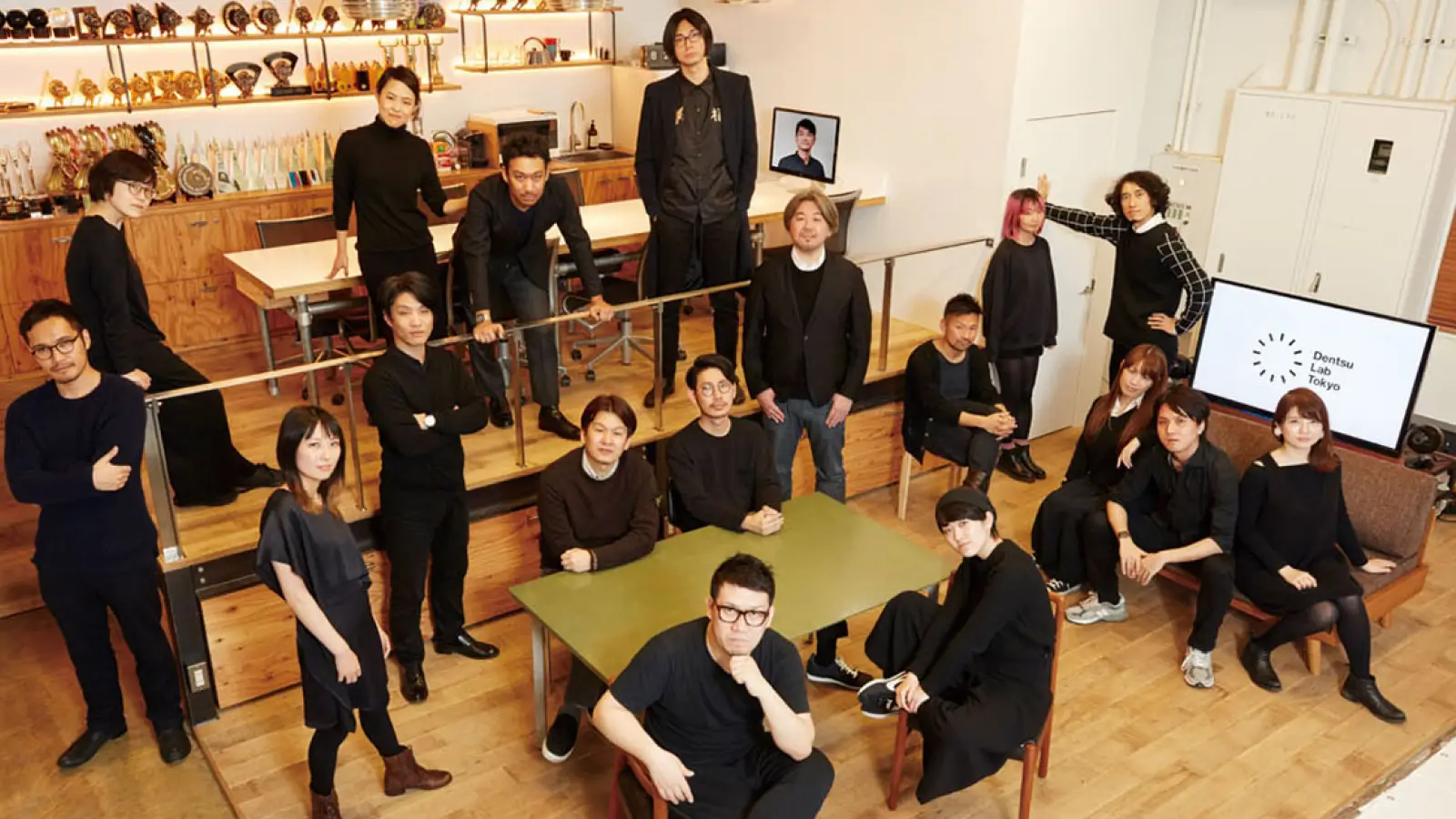
Strengths: Dentsu's innovation lab focused on experimental interfaces, R&D prototypes, and PR-worthy activations. Strong conceptual work that generates media coverage.
Notable work:Project Humanity earned recognition across Cannes Lions, ADFEST, Clio, and The One Show (2024) — note these are advertising and creative-festival awards rather than the Awwwards/FWA web-craft awards most of this list is cited for. Dentsu Lab's strength is concept and cultural impact more than production web.
Best for:Futuristic concepts and experiential activations that need to make headlines.
The honest read: This is a lab, not a web shop. You go to Dentsu Lab for an idea that wins a Cannes Lion — not to get a CMS-driven brand site built on time and on budget.
Site:dentsulab.tokyo
8) STUDIO DETAILS — Tokyo / Nagoya
Strengths:Full-service design firm covering web, branding, apps, and product design. Mid-sized team with offices in Tokyo and Nagoya, executing reliably across graphic, web, and product.
Notable work: The NEWPEACE Inc. site won an Awwwards Site of the Day (March 2024) and CSS Design Awards recognition — a clean, confident corporate build that shows they can hit award quality on real client work, not just self-promotion.
Best for: Companies needing reliable, scalable design across multiple touchpoints.
The honest read: STUDIO DETAILS is the dependable mid-market choice — award-capable but not precious about it. A safe pick when you value delivery certainty over avant-garde risk.
Site:details.co.jp
9) Laugh Mind — Tokyo
Strengths: A "brieative" approach combining brand strategy with creative execution. Team with Dentsu Tech and CyberAgent backgrounds.
Notable work: Their studio site won an Awwwards Honorable Mention (2025), and they co-created IVRESS with Utsubo (see #2) — a useful tell that they collaborate well with engineering-led partners on technically ambitious work.
Best for:Trendy, contemporary design with immersive animations and strong visual identity.
The honest read: Laugh Mind brings strategy and a current visual sensibility; pairing them with a stronger engineering shop (as on IVRESS) is a proven model when the build gets technical.
Site:laugh-mind.co.jp
10) FunTech — Tokyo
Strengths:Branding creative studio with work across web, video, photography, and 3D. Clients include Nissan Motor and Tokyu Corporation recruitment sites.
Notable work: Their "Creativity is ROMAN" portfolio site won a CSS Design Awards Website of the Day (2024), has an FWA case, and two Awwwards Honorable Mentions — a strong multi-format calling card, especially for recruitment and corporate branding.
Best for:Recruitment and corporate branding projects needing multi-format creative.
The honest read: FunTech shines on recruitment sites — a genuinely underrated niche in Japan, where the war for talent makes採用 (hiring) sites a real budget line. If that's your project, they're a specialist, not a generalist.
Site:funtech.inc
11) tha ltd. — Tokyo
Strengths: The foundational name in Japanese interactive design. Founded by Yugo Nakamura — arguably the most influential figure in the country's web design history — tha has shaped how an entire generation thinks about motion, interaction, and craft on the web.
Notable work: Long-running web direction for UNIQLO (including the UNIQLO Logo Play series), UI for KDDI's INFOBAR, and NHK's "Design Ah." Nakamura's accolades span Cannes Lions, the Tokyo TDC, and the Mainichi Design Award — pedigree that predates and transcends the Awwwards era.
Best for: Brands that want design-history-level craft and a name that carries weight in the industry.
The honest read: tha is a master's atelier. You don't brief them like a vendor; you commission them. If your project is a once-in-a-decade flagship, few names on earth carry more authority.
Site:tha.jp
12) baqemono.inc — Tokyo
Strengths: Pound-for-pound, one of the most award-decorated interactive studios in Japan relative to its size — a small atelier with serious front-end engineering chops.
Notable work:NEWFOLK won an Awwwards Site of the Day and Developer Award (2023); MOHEIM (2022) and EarCOUTURE (2020) also took Sites of the Day. They hold multiple Awwwards Sites of the Day and several Developer Awards — and the Developer Awards are the real signal here: this is a studio engineers respect.
Best for: Projects where interaction craft and code quality are the whole point.
The honest read: baqemono is the hidden gem of this list — less famous than mount or tha, but the work and the engineering hold up against anyone. A strong choice if you care more about the result than the logo on the invoice.
Site:baqemono.jp
13) AID-DCC Inc. — Osaka / Tokyo
Strengths: A veteran experiential and interactive studio (founded 2000) spanning web, AR/VR/MR, 3DCG, and installation work — and one of the few award-caliber options headquartered in Osaka rather than Tokyo.
Notable work: Recognized with an Awwwards Honorable Mention (2018) and an FWA profile; the studio reports 250+ domestic and international prizes across its two-decade run (their own figure). Their range across screen and physical space is unusually broad.
Best for:Experiential campaigns that cross from web into AR, installation, or physical activation.
The honest read: AID-DCC is the pick when your project won't stay inside a browser. Their Osaka base also tends to mean keener budgets than equivalent Tokyo shops — the same Kansai value advantage covered in our Osaka creative studios guide.
Site:aid-dcc.com
14) Konel Inc. — Tokyo / New York / Milan
Strengths: An art-and-technology collective of 30+ creators working under a "Good Singularity" banner — spanning art production, R&D, and brand design across three continents.
Notable work: Their studio site (with its tactile, analog-feel interactions) earned an Awwwards Honorable Mention, and their practice blends commercial brand work with genuine art-tech experimentation.
Best for: Brands that want experimental, art-adjacent work with a conceptual edge.
The honest read: Konel is the most "studio-as-art-practice" option here. If you want safe and conventional, skip them; if you want something that feels like it came from an artist collective rather than an agency, they're rare.
Site:konel.jp
Studio Comparison at a Glance
| Studio | Base | Specialty | Notable award | Best for |
|---|---|---|---|---|
| mount inc. | Tokyo | Award-winning brand sites | Awwwards SOTD + FWA + CSSDA (Yamauchi No.10) | Press-worthy flagship creative |
| Utsubo | Osaka / Kyoto | WebGPU/WebGL, Three.js engineering | FWA of the Month 2026 (IVRESS) | Technically hard 3D & performance |
| monopo | Tokyo / London / NYC / Paris | Global campaigns | Awwwards SOTD (2017) | Cross-border, multi-timezone work |
| SHIFTBRAIN | Tokyo / Hiroshima / Amsterdam | Full-service branding | Awwwards + FWA + CSSDA (LIONS GOOD NEWS) | Enterprise creative at scale |
| Garden Eight | Tokyo / Copenhagen | Minimal, editorial design | Awwwards Site of the Month (2021) | Restrained, refined aesthetics |
| JUNNI | Tokyo | Digital × physical experience | Awwwards SOTD + Dev Award (2022) | Web-meets-IRL experiences |
| Dentsu Lab Tokyo | Tokyo | R&D / experimental concepts | Cannes Lions (2024) | Headline-making activations |
| STUDIO DETAILS | Tokyo / Nagoya | Reliable full-service design | Awwwards SOTD (2024) | Dependable mid-market delivery |
| Laugh Mind | Tokyo | Strategy + contemporary visuals | Awwwards Honorable Mention (2025) | Trend-forward brand creative |
| FunTech | Tokyo | Multi-format / recruitment | CSSDA WOTD (2024) | Recruitment & corporate branding |
| tha ltd. | Tokyo | Foundational interactive craft | Cannes Lions / TDC / Mainichi | Once-in-a-decade flagships |
| baqemono.inc | Tokyo | Interaction craft + engineering | Multiple Awwwards SOTD + Developer Awards | Code-quality-first interaction |
| AID-DCC Inc. | Osaka / Tokyo | Experiential, AR/VR, installation | Awwwards Honorable Mention (2018) | Web-into-physical campaigns |
| Konel Inc. | Tokyo / NY / Milan | Art-and-technology collective | Awwwards Honorable Mention | Experimental, art-adjacent work |
Note: Awards listed are a single representative honor per studio, not a complete record. Several studios hold many more — and Dentsu Lab's recognition is in advertising/creative festivals rather than web-craft awards.
Why Commission in Japan
1) Craftsmanship culture
Japanese studios inherit a perfectionist mindset — the same attention to detail that shaped Toyota's production system shows up in pixel-perfect interfaces.
2) Favorable exchange rates
The yen's current position means international budgets stretch further. A project that costs $100K in New York might run $50-70K in Tokyo.
3) Technical excellence
Japan has deep roots in gaming, animation, and electronics. That engineering DNA translates to studios comfortable with WebGL, Three.js, and complex interactive builds — increasingly on WebGPU, as our own WebGPU migration guide covers. It's why studios like baqemono and Utsubo collect Developer awards, not just visual ones.
4) Predictable delivery
Clear communication, documented processes, and respect for deadlines. Japanese business culture emphasizes reliability — the same craftsmanship mindset shows up in how projects are run, not just how they look. If award credentials matter to your brief, our guide to how web design awards are actually judged explains what Awwwards, FWA, and CSS Design Awards reward.
Pricing Bands (Directional)
Budget ranges vary by scope, but here's a general sense:
| Tier | Budget Range | What You Get |
|---|---|---|
| Boutique | ¥3-8M ($20-55K) | Campaign microsites, landing pages, simple corporate sites |
| Mid-tier | ¥8-20M ($55-140K) | Full brand sites, interactive experiences, custom CMS |
| Enterprise | ¥20M+ ($140K+) | Large-scale platforms, 3D experiences, ongoing retainers |
Note: These are rough ranges. Actual quotes depend on scope, timeline, and complexity. Always request detailed estimates.
What to Ask Before You Hire
- English fluency: Can the PM and key creatives communicate directly, or will everything go through translation?
- Time zone overlap: What hours can you expect real-time communication?
- IP and licensing: Who owns the design assets, code, and animations post-launch?
- Maintenance model: What's the support arrangement after launch?
- Reference projects: Can they share 2-3 comparable projects with similar scope?
FAQ
How do Japanese studios compare to US/European agencies? Generally lower rates with comparable (often higher) craft quality. The main trade-off is time zone difference and potential language barriers — though many studios now have English-speaking project managers.
Do I need to visit Japan to work with these studios? No. Most studios are experienced with remote international projects. Video calls, Figma, and collaborative tools work fine. Site visits help for complex projects but aren't required.
What's the typical project timeline? Campaign sites: 2-3 months. Brand sites: 3-5 months. Complex interactive experiences: 4-8 months. These are generalizations — always discuss timeline upfront.
Can Japanese studios handle Western brand guidelines? Yes. Most studios on this list have worked with international brands and understand Western design systems, brand books, and approval processes.
Should I work with a Japanese studio directly or through a local intermediary? Direct is usually better for cost and communication clarity. Intermediaries add overhead but can help if you have zero experience working across cultures or need local contract support.
Which of these studios is best for a 3D or WebGPU-heavy project? For genuinely hard real-time rendering — WebGPU, large scenes, performance under load — the engineering-led shops are the safer bet: Utsubo, baqemono, and JUNNI all hold Developer-level recognition, not just visual awards. For comparison across the wider field, see our top Three.js agencies roundup.
Tokyo or Osaka — does the studio's city matter? Tokyo has the densest concentration of award-winning studios; Osaka and Kyoto studios (Utsubo, AID-DCC) often deliver comparable craft at keener budgets. We break this down in our Tokyo and Osaka studio guides. For most remote international projects, city matters less than English fluency and time-zone overlap.
How do I shortlist from this list of 14? Start from the project, not the studio. Match your primary need — flagship press (mount, tha), technical 3D (Utsubo, baqemono), enterprise scale (SHIFTBRAIN), recruitment (FunTech), experiential/physical (AID-DCC, JUNNI) — then use the comparison table above to narrow to two or three before reaching out.
Planning a project?
Book a 30-minute call to discuss your brief. We can help scope requirements, recommend approaches, and provide detailed estimates.


 Technology-First Creative Studio