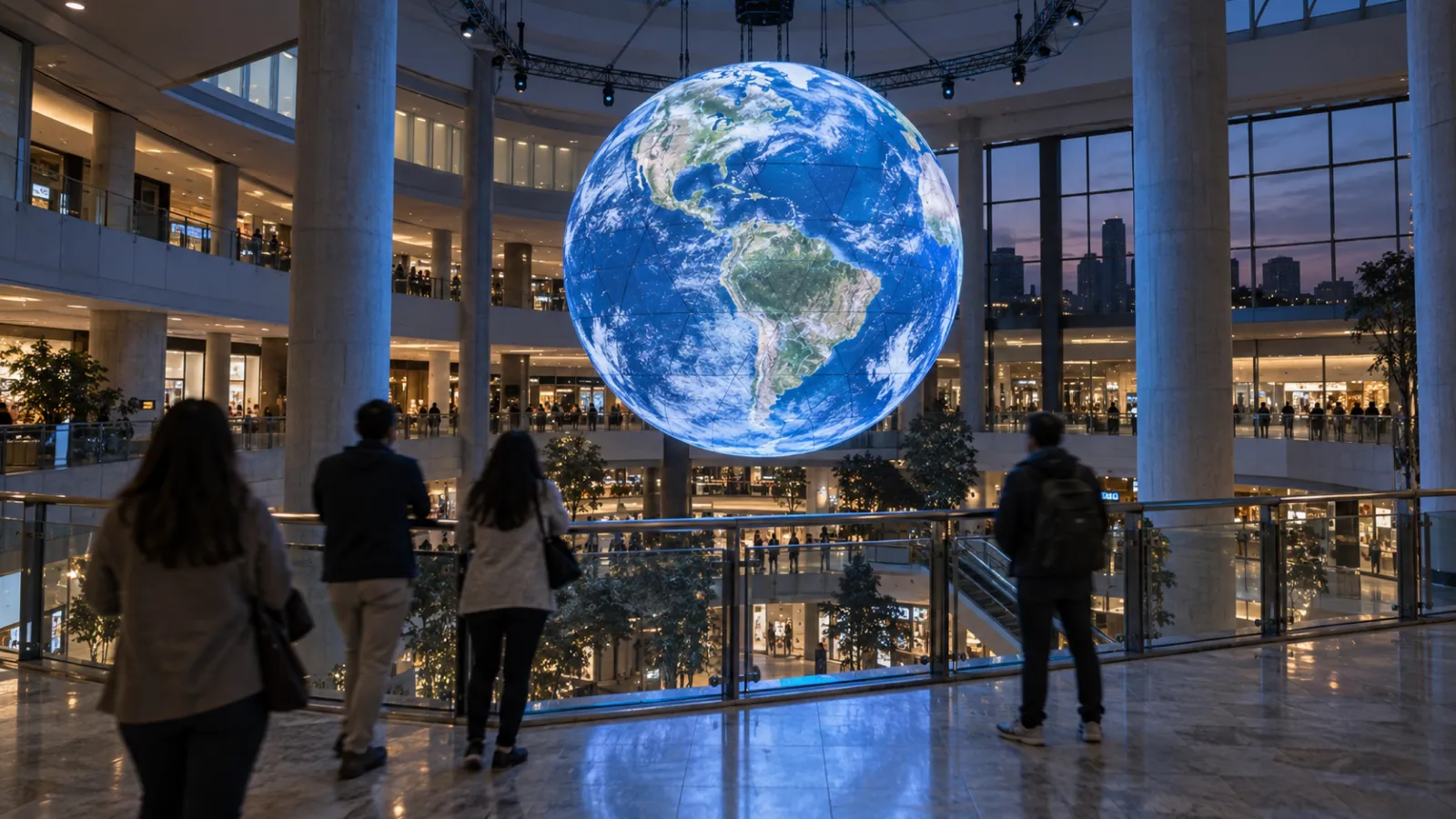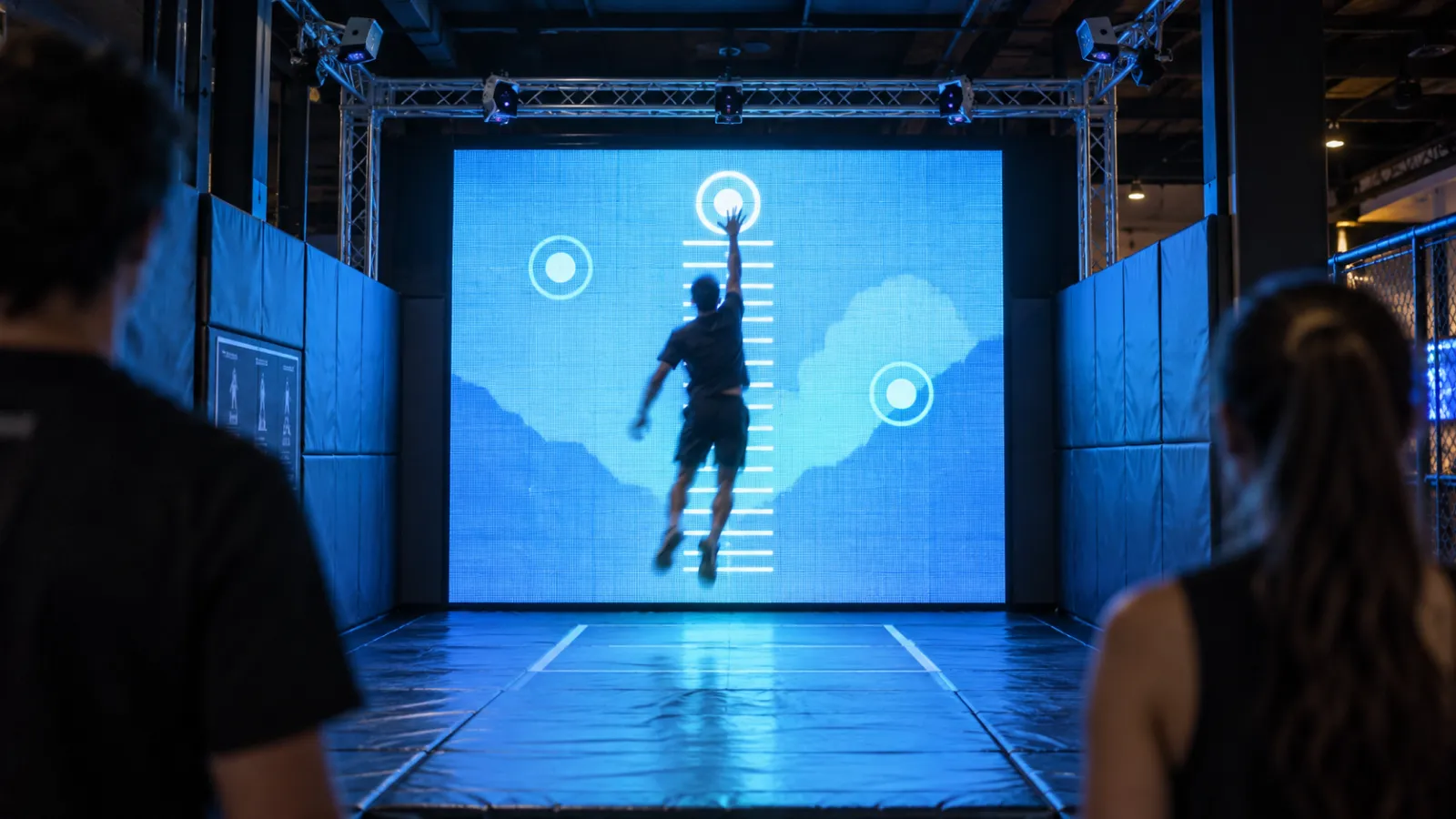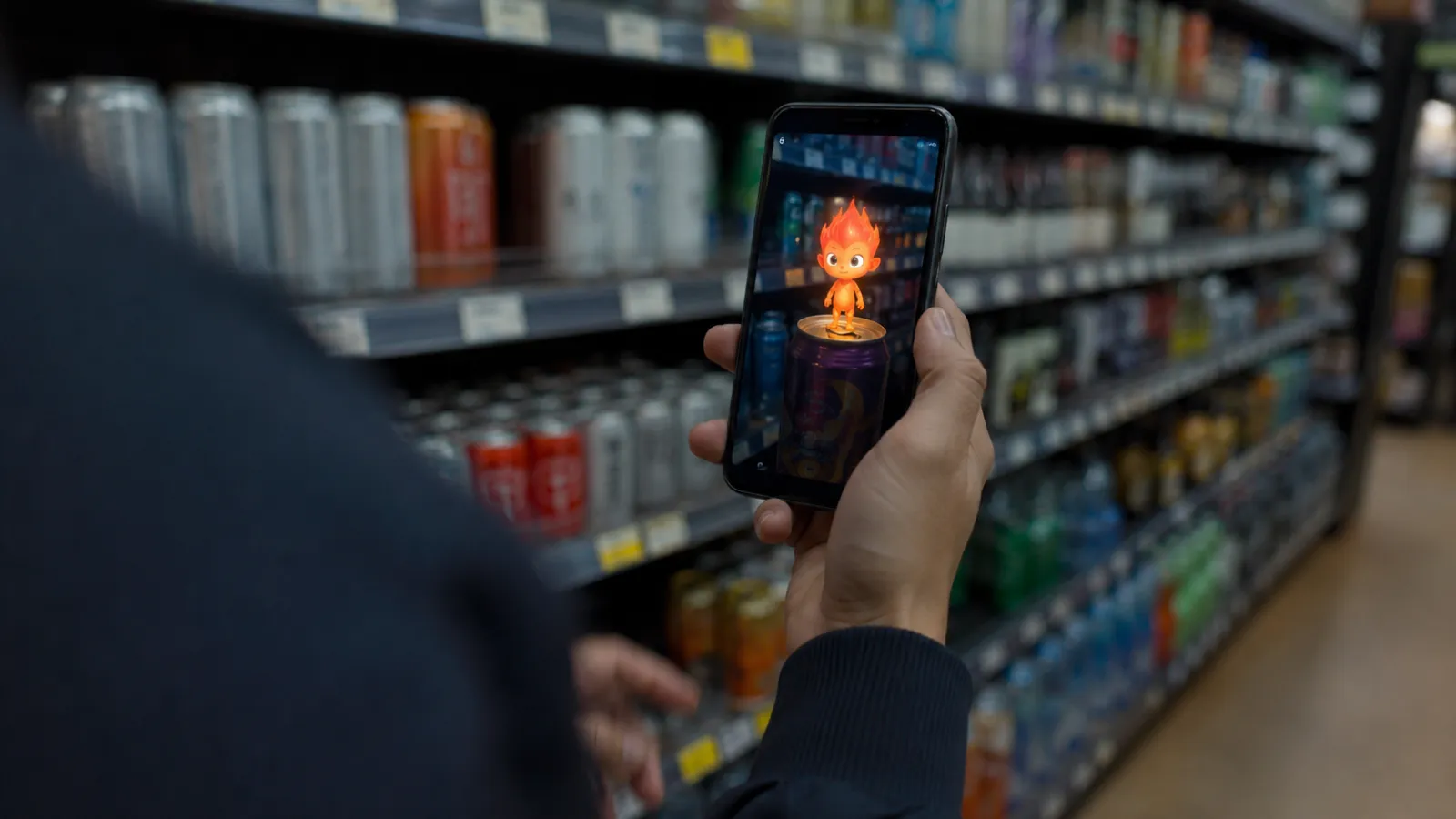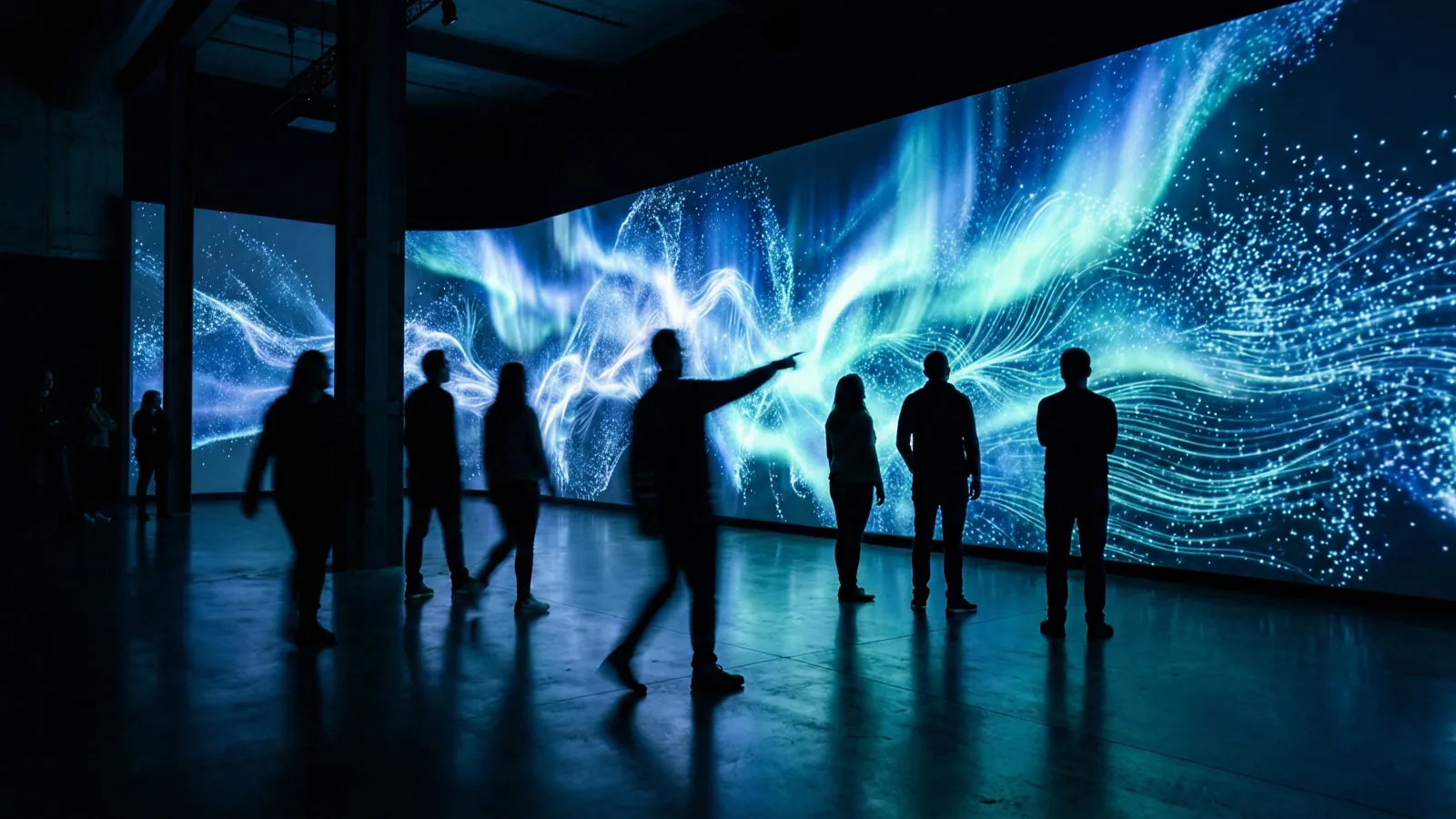
Brands are projected to allocate 55–65% of experience budgets to digital channels by 2026 — yet 72% of retail sales still happen in person, and 52% of consumers actively seek tactile offline experiences. A museum director spends $120K on a touchscreen kiosk that visitors walk past. A SaaS startup launches a $300K immersive website nobody bookmarks. Both investments failed — not because digital or physical experiences don't work, but because each was deployed where the other would have performed better.
The question isn't "digital or physical?" It's "which combination delivers the most value for your specific context?"
Who this is for: CMOs, brand directors, and experience leads evaluating how to split budgets between digital (websites, apps, 3D web) and physical (installations, pop-ups, flagship spaces). This guide provides the frameworks, cost data, and ROI benchmarks you need to decide.
Key Takeaways
- Digital experiences cost $5K–$500K and excel at reach, analytics, and iteration speed — but lack the emotional intensity of physical presence
- Physical installations cost $15K–$500K+ and drive 2–6x longer dwell time, stronger memory encoding, and higher social sharing — but have limited geographic reach
- Hybrid "phygital" strategies deliver 20–40% ROI uplift over single-channel approaches, with 60% of brands projected to adopt by 2026 (Forrester, BrandXR)
- Industry budget splits are converging: retail at ~50/50, hospitality at 40/60 digital-to-physical, museums at 55/45 (PwC, McKinsey)
- The strongest ROI comes from experiences that feed each other — a physical installation that drives web traffic, or a web experience that builds anticipation for a venue visit
- Starting with one channel and expanding is safer than launching both simultaneously
1. What Counts as a "Digital Experience" vs a "Physical Experience"
The distinction sounds obvious until you try to draw a line.
1-1. The Spectrum
Experiences exist on a spectrum, not in two buckets:
| Category | Examples | Budget Range | Reach |
|---|---|---|---|
| Pure Digital | Immersive website, 3D product configurator, virtual showroom | $5K–$200K | Global, 24/7 |
| Digitally Enhanced Physical | Museum interactive exhibit, hotel lobby installation, retail AR mirror | $15K–$500K+ | On-site visitors |
| Hybrid | Physical installation with companion web experience, virtual tour + in-person event | $30K–$600K+ | Both |
| Pure Physical | Architectural feature, art sculpture, sensory garden | $10K–$1M+ | On-site visitors |
Most modern brand experiences fall somewhere in the middle. A "physical" installation almost always has a digital component (sensors, screens, projection). A "digital" experience increasingly borrows from physical design principles (spatial audio, haptic feedback, environmental context).
1-2. Why the Distinction Still Matters
Despite the blurring, the distinction matters for three practical reasons:
- Budget structure — digital and physical projects have different cost drivers, timelines, and vendor ecosystems
- Measurement — digital experiences produce analytics automatically; physical experiences require deliberate instrumentation
- Organizational ownership — digital often sits with marketing/IT; physical sits with facilities/operations/events
Understanding where your project lands on the spectrum determines who needs to be in the room, what the budget looks like, and how you'll measure success.
2. The Budget Reality: What Each Costs
Before debating strategy, ground the conversation in numbers.
2-1. Digital Experience Costs
| Tier | Budget | What You Get | Timeline |
|---|---|---|---|
| Essential | $5K–$25K | Refreshed website, basic animations, responsive design | 4–8 weeks |
| Enhanced | $25K–$100K | Custom 3D elements, interactive storytelling, product configurators | 8–16 weeks |
| Premium | $100K–$250K | Fully immersive web experience, WebGL/Three.js, spatial audio | 12–24 weeks |
| Enterprise | $250K–$500K+ | Multi-platform digital ecosystem, real-time 3D, custom engine work | 16–36 weeks |
For a deep breakdown, see our premium website cost guide.
2-2. Physical Installation Costs
| Tier | Budget | What You Get | Timeline |
|---|---|---|---|
| Pilot | $15K–$50K | Single interactive touchpoint, screen-based, limited sensors | 6–12 weeks |
| Standard | $50K–$150K | Multi-sensor installation, custom hardware, projection or LED | 12–20 weeks |
| Flagship | $150K–$500K | Full-room immersive environment, multiple interaction zones | 16–30 weeks |
| Destination | $500K–$2M+ | Permanent multi-room experience, custom architecture integration | 24–52 weeks |
For the full breakdown, see our interactive installation cost guide.
2-3. The Hidden Cost Difference
The sticker price tells half the story. Consider the total cost of ownership:
| Factor | Digital | Physical |
|---|---|---|
| Upfront build | 100% of budget | 60–70% of budget |
| Ongoing maintenance | 10–15% per year (hosting, updates) | 15–25% per year (hardware, repairs, cleaning) |
| Content updates | Hours to days | Days to weeks |
| Scaling | Near-zero marginal cost | Linear cost per location |
| Decommissioning | Flip a switch | Physical removal, storage, disposal |
Digital experiences are cheaper to iterate and scale. Physical experiences are more expensive to maintain but hold attention longer and create stronger emotional connections (see our psychology of digital awe guide for the neuroscience behind this).
3. ROI Comparison: Where Each Channel Wins
Neither channel is universally "better." Each dominates different metrics.
3-1. Digital Experience Strengths
| Metric | Typical Performance |
|---|---|
| Reach | Unlimited geography, 24/7 availability |
| Analytics depth | Every click, scroll, hover tracked automatically |
| Iteration speed | A/B test in hours, deploy changes in minutes |
| Cost per impression | $0.01–$0.50 |
| SEO/discoverability | Indexes in search engines, shareable URLs |
| Conversion tracking | End-to-end attribution from visit to purchase |
Digital wins when you need breadth, speed, and measurability. An immersive storytelling website can reach millions in its first month at a fraction of the cost of a physical event reaching thousands.
3-2. Physical Experience Strengths
| Metric | Typical Performance |
|---|---|
| Dwell time | 2–6x longer than digital equivalents |
| Emotional impact | 70–80% higher brand recall vs digital-only touchpoints |
| Social sharing | 70% of visitors share photos/videos from installations |
| Press coverage | Experiential formats outperform traditional by 85–120% in earned media |
| Premium perception | Physical presence signals investment and permanence |
| Conversion for high-value sales | B2B deals, luxury purchases, membership sign-ups |
Physical wins when you need depth, memorability, and trust. A hotel lobby installation doesn't reach millions — but the guests who experience it spend 23% more during their stay and are 2.1x more likely to return (see our hotel installation guide).
3-3. The Conversion Funnel View
Think of it as a funnel:
- Awareness → Digital dominates (SEO, social, web traffic)
- Consideration → Both contribute (web experience deepens interest; physical visit builds trust)
- Decision → Physical often tips the scale (showrooms, venue visits, installation demos)
- Loyalty → Both reinforce (digital follow-up + memorable physical moments)
The most effective brands use digital to fill the top of the funnel and physical to close at the bottom.
4. When You Only Need Digital
A physical installation is overkill in these scenarios:
Global, distributed audience. If your audience is spread across 50 countries, a $150K immersive website reaches all of them. A $150K installation reaches one city.
Rapid iteration needed. Launching a new product line every quarter? Digital lets you update the experience weekly. Physical installations take months to redesign.
B2B with long sales cycles. Enterprise buyers research online before contacting sales. An interactive 3D product demo on your website can pre-qualify leads 24/7.
Budget under $50K. Below this threshold, physical installations tend to feel underwhelming. A $40K web experience can be genuinely impressive. A $40K installation often looks cheap.
Testing a concept. Use a digital prototype to validate demand before committing to a $200K+ physical build.
5. When You Only Need Physical
A website upgrade won't cut it in these scenarios:
Destination venues. Museums, hotels, retail flagships — visitors are already physically present. The opportunity cost of not engaging them in that space is massive. See our museum installation guide for ROI data.
Luxury and premium brands. High-end brands need physical texture, scale, and craftsmanship to justify price points. A Louis Vuitton flagship communicates something a website never can.
Competitive differentiation through space. If your competitors all have good websites but generic physical spaces, the installation is your differentiator.
Community and event-driven brands. Sports venues, concert halls, festivals — the audience is captive and the experience IS the product.
High-value B2B sales. An executive visiting your corporate lobby forms an impression in 7 seconds. A thoughtful lobby installation communicates more about your company than any pitch deck.
6. When You Need Both: The Hybrid Model
The strongest results come from experiences that feed each other.
6-1. Real Examples
teamLab Borderless (Tokyo/Jeddah) Physical: Immersive art museum attracting 2.5M visitors per year in Tokyo alone. Digital: Website with virtual previews, online ticketing, and social content engine. The digital experience drives ticket sales; the physical experience generates social content that feeds the digital flywheel. teamLab's "collective interactive" model has become the blueprint for hybrid museum experiences worldwide.
Nike House of Innovation (NYC/Shanghai/Paris) Physical: Multi-floor flagship with AR try-on zones, RFID-enabled product walls, and customization studios. Digital: Nike app integration — scan products in-store for reviews, customize shoes online for in-store pickup, member-exclusive physical experiences. Result: 90% higher conversions in phygital stores and 31% sales uplift over traditional retail. Members who use both channels spend 4x more than single-channel customers.
LVMH (Multi-brand) Physical: Flagship boutiques preserving luxury craftsmanship and sensory experience (81% of luxury revenue is still in-store). Digital: Partnership with Epic Games for virtual fitting rooms and AR fashion shows, yielding 30% basket size increases and 2.5x conversion improvements. The "VIA" initiative creates phygital twins that extend physical luxury into digital worlds without diluting brand premium.
6-2. The Flywheel Effect
The hybrid model creates a self-reinforcing loop:
- Physical experience creates shareable moments → photos, videos, stories
- Shared content drives digital traffic → website visits, social engagement
- Digital experience deepens engagement → education, exploration, loyalty
- Digital engagement drives physical visits → bookings, tickets, foot traffic
- Repeat
Brands operating this flywheel report 20–40% engagement lifts and significantly higher customer lifetime value compared to single-channel strategies (BrandXR, Retail Dive). The key insight: digital and physical aren't competing for the same budget — they're amplifying each other's ROI.
7. Budget Allocation Frameworks
Industry data from PwC, McKinsey, and Forrester shows that budget splits vary significantly by sector:
| Sector | Digital Budget | Physical Budget | Key Driver |
|---|---|---|---|
| Retail | 50–60% | 40–50% | Phygital AR try-ons, experiential stores |
| Hospitality | 40–50% | 50–60% | AI personalization, immersive venues |
| Museums | 55–65% | 35–45% | Digital art installations, interactive exhibits |
| Corporate | 60–70% | 30–40% | Virtual events, hybrid team experiences |
Here are three models to simplify the decision, depending on your business context.
7-1. Digital-First (70/30)
| Allocation | Digital | Physical |
|---|---|---|
| Budget split | 70% | 30% |
| Example ($300K) | $210K → immersive website + digital ecosystem | $90K → single pilot installation |
Best for:
- E-commerce and SaaS brands
- Companies with global audiences and no flagship venue
- Organizations testing physical experiences for the first time
Strategy: Build a strong digital foundation first. Use the 30% physical budget for a pilot installation or pop-up that validates the concept before scaling.
7-2. Physical-First (30/70)
| Allocation | Digital | Physical |
|---|---|---|
| Budget split | 30% | 70% |
| Example ($300K) | $90K → enhanced website + documentation | $210K → flagship installation |
Best for:
- Museums, galleries, and cultural institutions
- Hotels and hospitality brands
- Luxury retail with existing flagship locations
Strategy: The physical space is your primary product. Invest 70% in creating something remarkable. Use the 30% digital budget to drive traffic to the physical space and extend the experience online.
7-3. Balanced (50/50)
| Allocation | Digital | Physical |
|---|---|---|
| Budget split | 50% | 50% |
| Example ($300K) | $150K → immersive web experience | $150K → standard installation |
Best for:
- Multi-channel retail brands
- Corporate campuses with visitor programs
- Event-driven brands with year-round digital presence
Strategy: Build both channels to feed each other. Design the digital and physical experiences as one integrated system, not two separate projects.
7-4. Decision Matrix
Answer these five questions to determine your model:
| Question | Digital-First | Physical-First | Balanced |
|---|---|---|---|
| Is your audience primarily online? | Yes | No | Mixed |
| Do you have a physical venue? | No / leased | Yes, flagship | Yes, multiple |
| What's your primary KPI? | Lead gen, traffic | Dwell time, NPS | Both |
| How often do you update content? | Weekly | Annually | Quarterly |
| Do visitors share your space on social? | N/A | Yes | Sometimes |
If you answered mostly from one column, that's your starting model.
7-5. Board-level CapEx allocation: the experience portfolio
The frameworks above answer this year's split. The board-level question is different: how do you allocate and rebalance experience capital across a multi-year horizon? Treat each touchpoint — lobby installation, immersive site, retail activation — as an asset in a portfolio, each with its own risk/return profile and depreciation curve.
- Stagger the CapEx schedule. Physical installations are lumpy, depreciating capital (5–8 year useful life); web experiences are shorter-cycle and easier to amortize. Don't fund both at peak in the same fiscal year — phase them so a refresh of one falls in the trough of the other.
- Rebalance, don't re-decide. Once the portfolio exists, the annual job is reallocation at the margin: shift the next dollar toward whichever asset's return has decayed least. A flagship installation that's still pulling dwell-time doesn't need a rebuild just because the website's turn came up.
- A simple portfolio-balance heuristic: if one channel is carrying >70% of measured engagement but <40% of next-year spend (or vice-versa), you're mis-weighted — rebalance toward the gap.
This is governance, not a one-time split. For the financial case any single line item needs at the board, pair this with the NPV/IRR framework for site investments and the redesign ROI business case.
8. How to Get Started
Phase 1: Audit (Weeks 1–2)
- Map your current digital and physical touchpoints
- Identify the biggest gap: where are you losing potential customers?
- Review competitors' experience mix
Phase 2: Pilot (Weeks 3–12)
- Start with the channel where you're weakest
- If you have a strong website but bland physical spaces → pilot a $50K–$100K installation
- If you have a great venue but weak digital presence → invest in a $50K–$100K web experience upgrade
- Measure baseline metrics before launch
Phase 3: Measure & Expand (Weeks 12–24)
- Compare pre/post metrics: foot traffic, dwell time, web traffic, conversion rates
- Calculate actual ROI using our website redesign ROI framework
- If the pilot works, apply the budget allocation framework from Section 7
Phase 4: Integrate (Months 6–12)
- Connect the digital and physical experiences
- Build the flywheel: physical drives digital, digital drives physical
- Plan for ongoing maintenance budgets (10–25% annually)
9. About Utsubo
Utsubo is a creative studio that builds both sides of the experience equation. Our team designs and develops immersive websites using Three.js and WebGL alongside interactive installations for museums, hotels, and retail spaces.
Our installation team has shipped projects for cultural institutions and hospitality brands across Japan and internationally.
We're one of the few studios that can advise on both digital and physical experience strategy — because we build both.
Visit us at utsubo.com
10. Let's Talk
Building something ambitious with 3D on the web? We work with teams on interactive experiences, product configurators, and immersive brand projects.
If you're exploring a partnership, let's discuss your project:
- What you're building and the constraints you're working with
- Which technical approach makes sense for your goals
- Whether we're the right fit to help you execute
Checklist: Evaluating Your Digital vs Physical Experience Mix
- Mapped all current customer touchpoints (digital and physical)
- Identified where customers drop off or disengage
- Defined primary KPIs for each channel (reach, dwell time, conversion, NPS)
- Researched competitor experience mix
- Determined budget allocation model (digital-first, physical-first, or balanced)
- Planned a pilot project for the weaker channel
- Established baseline metrics before launch
- Designed feedback loop between digital and physical (flywheel)
- Budgeted for ongoing maintenance (10–25% annually)
- Identified internal stakeholders for both digital and physical ownership
FAQs
Is a physical installation worth it if we already have a great website?
Yes — they serve different purposes. A great website builds awareness and drives traffic. A physical installation creates the emotional, memorable moments that convert visitors into advocates. The best results come from both working together.
What's the minimum budget for a meaningful hybrid experience?
Plan for at least $80K–$150K total: $30K–$50K for an enhanced digital experience and $50K–$100K for a pilot installation. Below this threshold, you're better off investing in one channel done well rather than two done poorly.
How do we measure ROI across both digital and physical channels?
Digital: track impressions, clicks, conversions, and time on site. Physical: instrument with people counters, dwell-time sensors, and post-visit surveys. The bridge metric is attribution — how many physical visitors came from digital channels, and how many website visits originated from physical experience social shares.
Can we start with digital and add physical later?
Absolutely — this is actually the recommended approach for most brands. A strong digital foundation gives you audience data and validated messaging before committing to a higher-cost physical build.
How long do physical installations last before they need replacing?
Well-built installations last 5–10 years with proper maintenance. Budget 15–25% of the original cost annually for repairs, software updates, and content refreshes. Digital experiences need updates more frequently (every 2–3 years) but at lower cost.
Should digital and physical experiences be designed by the same team?
Ideally, yes. A unified creative vision across channels creates a more coherent brand experience. Studios that build both digital and physical (like Utsubo) can ensure consistency and design the feedback loops between channels.
What if our competitors are only investing in digital?
That's your opportunity. If every competitor has a good website but generic physical spaces, a standout installation becomes your differentiator. Physical experiences are harder to copy than digital ones.
How do we get leadership buy-in for a physical installation?
Lead with data: dwell time increases, NPS improvements, earned media value. Frame it as a business investment with measurable ROI, not as "art." Reference case studies from similar industries and propose a pilot with clear success criteria.


 Design your next signature moment