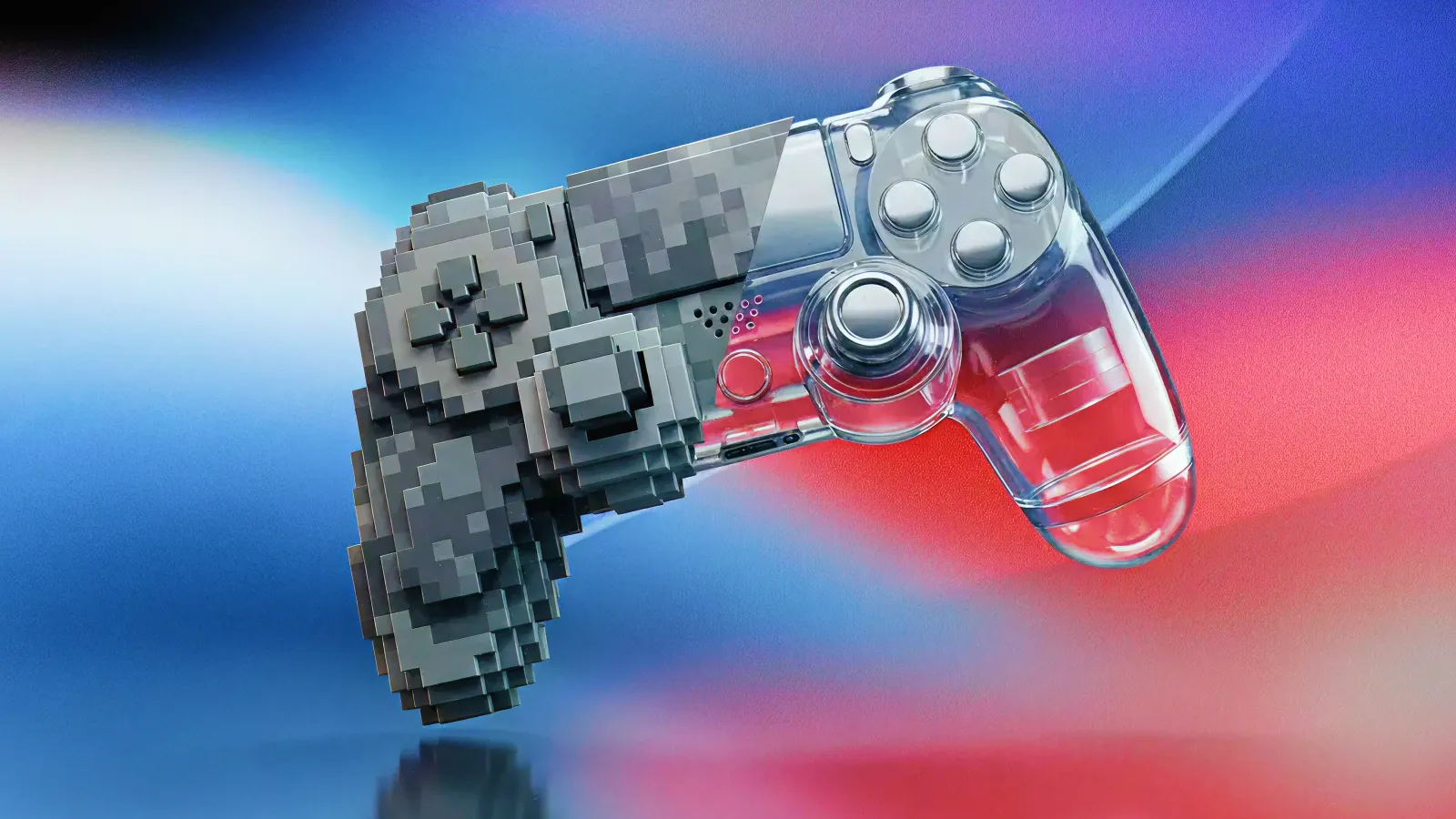
Your game delivers a world-class 3D experience. But what about your official website?
Game studios invest millions in stunning visuals, compelling narratives, and immersive gameplay. Yet when it comes to their websites, most settle for "functional"—news feeds, product pages, download links. The website becomes a brochure when it could be an extension of the game world itself.
Meanwhile, forward-thinking studios are transforming their web presence. They're building teaser sites that generate viral buzz, launch pages where fans can explore game worlds in their browser, and anniversary portals that celebrate franchises through interactive timelines. These sites don't just inform—they immerse. For the broader landscape of this approach, see our immersive storytelling websites guide.
This guide covers how to evolve your game's web presence from information delivery to immersive experience. We'll explore 3D asset reuse, mini-games on landing pages, fan engagement strategies, and practical budgets for studios of all sizes.
Who this is for: Marketing directors, brand managers, and producers at game publishers and studios planning new game launches, anniversary celebrations, or brand refreshes. Also relevant for indie studios wanting to stand out with memorable web experiences.
Key Takeaways
- Your game assets can be reused for web—3D models, textures, and effects can be optimized for WebGPU/WebGL, extending your development investment to your web presence
- Mini-games on landing pages maximize engagement—playable elements dramatically increase time on site and social sharing
- Immersive sites go viral—unique web experiences get shared organically, generating earned media and community buzz
- Fans want experiences, not information—they want to step into your game world, not just read about it
- Budgets range from $20,000 for simple teasers to $200,000+ for full interactive experiences
1. Why Transform Your Game Website Into an Experience
1-1. From Information Site to "Second Game Experience"
Traditional game websites serve clear purposes:
- Product information delivery
- News and press releases
- Download links and store redirects
- Community resources
But fans want more than information—they want immersion.
When players engage with your game, they enter your world. They control characters, experience stories, feel emotions. Then they visit your website and suddenly they're just... reading. It's a jarring transition that doesn't serve the brand.
An immersive website transforms your web presence into a "second game experience." Visitors don't read—they explore, interact, discover. The site itself becomes an extension of your game world.
1-2. The Competitive Advantage of Immersive Web
Studios that invest in immersive web experiences gain significant advantages:
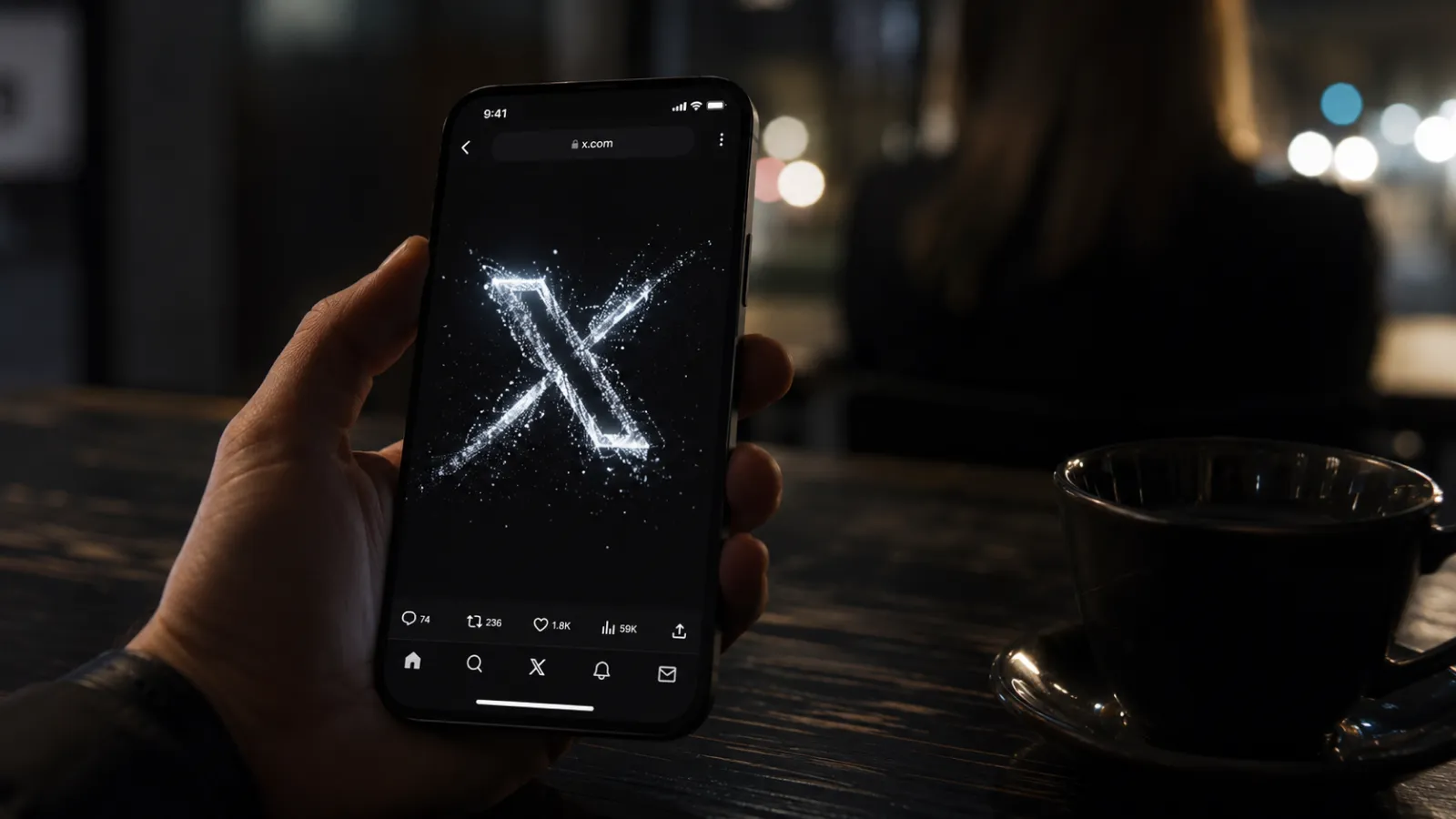
Viral potential: Unique web experiences get shared. Utsubo's studio website achieved 5 million organic views on X (Twitter) in 2025—with zero paid promotion. When fans encounter something remarkable, they share it.
Press coverage: Design awards sites (Awwwards, FWA, CSS Design Awards) feature exceptional game websites, generating earned media and industry recognition.
Fan loyalty: When you invest in experiences that delight fans, they notice. It signals that you care about every touchpoint, not just the game itself.
Conversion lift: Guided, immersive experiences build emotional connection before asking for the purchase. For games with considered purchase decisions (premium titles, collector's editions), this matters.
1-3. What Holds Studios Back
If immersive websites are so effective, why don't more studios build them?
Web agency skill gaps: Most web agencies lack WebGL/3D expertise. They can build WordPress sites and e-commerce, but not real-time 3D experiences.
Budget allocation: Marketing budgets often flow to ads, leaving websites underfunded as "information infrastructure."
Risk aversion: New approaches require stakeholder buy-in. It's easier to approve what's been done before.
Timeline pressure: Game launches have hard deadlines. Immersive sites take longer than template-based alternatives.
These are real constraints—but studios that overcome them gain meaningful differentiation.
2. Three Types of Game Websites
2-1. Teaser Sites (Announcement / Pre-registration)
Purpose: Build anticipation, capture pre-registrations
Duration: 3-6 months of limited availability
Key elements:
- Atmospheric 3D visuals
- Countdown timers
- Email capture forms
- Social sharing buttons
Teaser sites should create mystery, not reveal everything. Show fragments of your world—enough to intrigue, not enough to satisfy. When you can repurpose game assets for web, you create authentic previews that screenshots can't match.
2-2. Launch Sites (Pre-release / Release Window)
Purpose: Showcase the game's full appeal, drive purchases
Duration: ~1 year around launch
Key elements:
- Full 3D experiences
- Trailer integration
- Game systems explanation
- Character showcases
- Purchase CTAs
Launch sites should sell the experience. Let visitors rotate 3D characters, explore environments, hear the soundtrack. Interactive elements build desire more effectively than static images.
2-3. Brand Portals (Franchise / Anniversary)
Purpose: Celebrate the brand, serve as community hub
Duration: Long-term with periodic updates
Key elements:
- Interactive franchise timelines
- Collection/achievement elements
- Fan art galleries
- Community links
Anniversary sites work best as experiential journeys through franchise history. Scrolling reveals each era through animation, with 3D models and music from each game. It's a museum visit, not a Wikipedia article.
3. Reusing Game Assets for Web
One of the biggest advantages game studios have: you already own incredible 3D assets. With proper optimization, these can power your web experiences—extending your development investment.
3-1. What Can Be Reused
| Asset Type | Web Application |
|---|---|
| 3D Models | Character viewers, environment exploration, item showcases |
| Textures | Materials, skins, backgrounds |
| Effects | Particles, shaders, post-processing |
| Audio | BGM, sound effects, ambient audio |
| UI Design | Fonts, icons, color schemes |
3-2. Optimization Requirements
Game assets can't be used directly on web—optimization is essential.
Polygon reduction: Game models typically need 90-99% polygon reduction for web. A 100K poly character becomes 1-10K for browser rendering. LOD (Level of Detail) systems display appropriate detail based on camera distance.
Texture compression: glTF/Draco compression, Basis Universal, and texture atlasing reduce file sizes dramatically. 4K textures typically downscale to 1-2K for web.
Progressive loading: Instead of loading everything upfront, assets load as needed. This keeps initial load times fast while enabling rich experiences.
3-3. WebGPU Changes Everything
WebGPU has transformed what's possible in browsers.
With major browser support completed in 2025, real-time rendering quality has leaped forward. You can now achieve:
- Richer, more detailed 3D environments
- Smoother animations at higher framerates
- More complex particle effects and lighting
- Visual quality approaching game engines
The gap between "3D video" and "interactive 3D web experience" is closing rapidly.
4. Mini-Games on Landing Pages
For game studios, adding playable elements to websites is a natural fit. Mini-games on landing pages can dramatically increase engagement and sharing.
4-1. Why Mini-Games Work
Extended time on site: Playable experiences increase session duration 5-10x. Visitors who would bounce after 30 seconds will spend 5+ minutes with a mini-game.
Social sharing incentives: Fans want to share their experiences. Scores, results screens, and customization outputs become shareable content.
Purchase intent building: Mini-games serve as "taste tests" for your full game. They build anticipation by delivering a compressed version of your core experience.
4-2. Mini-Game Types
| Type | Description | Best For |
|---|---|---|
| Character control | Simple movement/action | Action, RPG, platformers |
| Puzzle/Quiz | World-themed challenges | Adventure, mystery |
| Collection | Gather items/characters | RPG, gacha, collectors |
| Customization | Avatar/equipment mixing | RPG, fashion |
| Photo mode | Screenshot creation | All genres |
| Rhythm/Timing | Beat-based gameplay | Music games, action |
4-3. Implementation Considerations
Initial load under 3 seconds: If mini-games take too long to load, engagement suffers. Progressive loading and asset compression are essential.
Mobile-first controls: 60%+ of traffic is mobile. Touch, swipe, and tap must feel native—not like desktop compromises.
Built-in sharing: Result screens need social sharing buttons. Provide properly formatted images (square, OGP-ready) for frictionless posting.
5. Designing for Fan Community Engagement
5-1. What "Official" Means to Fans
Fan sites and community wikis already exist. What can only the official site provide?
Authentic world access: Only official sites can present assets, lore, and experiences that are canonically "real." This authenticity matters to dedicated fans.
Exclusive content: Early reveals, exclusive wallpapers, serial codes—value that exists only on the official site.
Recognition: Official fan art features, community spotlights, event announcements. Being acknowledged by the official source carries weight.
5-2. Encouraging User-Generated Content
Screenshot features: Let visitors capture and share moments from the site experience directly to social platforms.
Shareable results: Scores, completion stats, and customization results formatted as shareable images drive organic reach.
Downloadable creations: Avatar builds, wallpapers, profile images that fans can download and use elsewhere.
5-3. Community Connections
Immersive sites work best as gateways to broader community:
- Discord/social platform links
- Forum integration
- Event and campaign tie-ins
- Fan content showcases
Don't create an island—build a bridge to your larger community ecosystem.
6. Case Studies: Viral Game Websites
6-1. FINAL FANTASY XV ROYAL GALLERY
Square Enix's web experience for FFXV earned an Awwwards Honorable Mention.
Using WebGL/Three.js/GLSL, they created a 3D gallery where visitors could explore the game's world through their browser. Characters and environments rendered in real-time, with visitors controlling the camera to discover different perspectives.
Key learnings:
- Game's "viewing experience" translated to web
- High-quality 3D balanced with performance optimization
- Award recognition generated additional PR value
6-2. Indie Innovation
AAA budgets aren't required for memorable experiences.
Independent studios have created compelling sites by focusing on storytelling and interaction over technical spectacle. Scroll-driven narratives that unfold the game's world, interactive sequences that put visitors into the story—these can be achieved at modest budgets.
6-3. The Opportunity
Most game websites remain functional but forgettable. Studios that invest in immersive web experiences gain:
- Differentiation in a crowded market
- Earned media through design recognition
- Fan loyalty through demonstrated care
- Conversion lift through emotional engagement
The technical barriers have fallen. The question is strategic commitment.
7. Technical Stack
7-1. Core Technologies
| Technology | Purpose |
|---|---|
| Three.js | Industry-standard 3D library for web |
| React Three Fiber | Three.js integration with React |
| WebGPU | Next-generation graphics API (2025 browser support complete) |
| GSAP | Animation control and scroll triggers |
| Lenis | Smooth scrolling |
| Howler.js | Audio playback |
7-2. Shared DNA with Game Development
Immersive web development shares the same technical foundation as game development:
- Shader programming: GLSL/WGSL for visual effects
- Performance optimization: Maintaining 60fps under constraints
- Asset pipelines: 3D model optimization and compression
- Real-time rendering: Visuals responding to user input
This shared foundation means game studio technical teams can collaborate effectively with specialized web partners.
7-3. Why Specialists Matter
Generic web agencies lack 3D/WebGL expertise.
Building immersive game websites requires:
- WebGL/WebGPU optimization
- 3D asset preparation and compression
- Animation performance tuning
- Cross-device testing and fallbacks
This isn't generalist web development—it requires skills closer to game development than typical agency work.
8. Budget Tiers
| Project Type | Budget Range | What's Included |
|---|---|---|
| Simple Teaser | $20,000–$35,000 | 1-2 scene 3D presentation, basic scroll animation, responsive design |
| Standard Launch | $35,000–$70,000 | 3-5 scenes, 3D model integration, interactive elements, sound design |
| With Mini-Game | $55,000–$100,000 | Above plus simple playable browser experience |
| Full Interactive | $100,000–$200,000+ | Large-scale 3D environment, multiple mini-games, multi-language |
Budget Factors
Cost reducers:
- Game assets (3D models, textures) provided by studio
- Simpler structure (fewer scenes)
- Single language
Cost increasers:
- Custom 3D model creation required
- Complex mini-game mechanics
- Multi-language support (5+ languages)
- High traffic infrastructure requirements
9. Working with Studios New to Gaming
Some immersive web specialists haven't yet built for game studios. This isn't necessarily a problem.
9-1. Transferable Expertise
Game website development and brand immersive web development share the same technical foundation:
- Three.js/WebGPU: Same real-time rendering technology
- Shaders: GLSL/WGSL visual effects
- Performance optimization: Same 60fps targeting
- Asset pipelines: Same compression and optimization approaches
The difference is client industry, not technical capability.
9-2. What Matters More Than Game Portfolio
When evaluating partners, prioritize:
- 3D/WebGL technical depth
- Performance optimization track record
- Understanding of gaming culture (what fans expect)
- Creative direction capability
A studio with strong technical skills and genuine interest in gaming can deliver excellent results even without prior game industry work.
9-3. Start with a Pilot
If working with a new partner, start small:
- Commission a simple teaser site ($20-35K range)
- Evaluate results and working relationship
- Expand to larger projects based on success
This minimizes risk while building mutual understanding.
10. Production Process
Phase 1: Strategy & Concept (2-4 weeks)
- Deep dive into game world and core appeal
- Target audience analysis (fan demographics)
- Web experience concept development
- Competitive analysis (including international examples)
- KPI definition
Close collaboration with your game development team is essential here. What aspects of the game should the web experience highlight? What's the priority?
Phase 2: Design & Prototype (3-4 weeks)
- Storyboard creation (scene structure)
- 3D asset optimization validation
- Key interaction prototyping
- Sound direction
- Early device testing
If providing game assets, this phase validates whether they can be optimized effectively for web.
Phase 3: Development (6-10 weeks)
- 3D implementation and animation
- Interaction development
- Sound integration
- Performance optimization
- Multi-language support (if applicable)
Regular reviews keep the project aligned with your vision.
Phase 4: Testing & Launch (2-3 weeks)
- Cross-browser and device testing
- Load testing
- Soft launch
- Analytics setup
- Full launch
Work backwards from your game's launch date or event timing.
11. About Utsubo
Utsubo is a creative studio specializing in immersive web experiences and interactive installations, based in Osaka with clients worldwide.
Web expertise:
- Three.js/WebGPU 3D web experiences
- Scroll-driven storytelling and narrative design
- Performance optimization (rich experiences that load fast)
Our studio website achieved 5 million organic views on X in 2025—we understand what makes interactive experiences shareable.
Installation experience informs our web work. Large-scale 3D, interaction design, and performance optimization for physical spaces translates directly to browser-based experiences.
We're building our game industry portfolio, but the technical foundation is identical. Our team brings game-development-adjacent skills and genuine enthusiasm for the medium.
12. Book a 30-Minute Project Call
Planning a teaser site, launch experience, or anniversary portal? Book a 30-minute project call to discuss:
Whether immersive web fits your project
How your game assets could be reused
Realistic scope and budget
Lessons from successful game web experiences
Book a call:https://cal.com/utsubo/30min?source_url=%2Fblog%2Fgame-studio-immersive-website-guide
13. Checklist
- Confirmed your website delivers "experience" not just "information"
- Evaluated game assets (3D models, textures) for web reuse potential
- Designed moments fans will want to share on social media
- Prioritized mobile experience (60%+ of traffic)
- Considered mini-game or playable elements
- Set realistic scope for budget and timeline
- Selected a partner with 3D/WebGL expertise
- Established collaboration between game dev and web teams
FAQ
Can we use our game's 3D assets directly? Not directly—optimization is required. Game models typically need 90-99% polygon reduction for web. Textures need compression. However, with proper optimization, your development investment absolutely extends to web. Asset complexity affects optimization difficulty, so early validation is recommended.
How long does production take? Simple teaser sites take 8-10 weeks. Full interactive experiences take 14-20 weeks. Work backwards from your launch date or event. Asset delivery timing significantly impacts the schedule—earlier is better.
How does this work alongside our existing website? Information delivery stays on your main site; experience delivery can live on a subdomain or subdirectory. During teaser periods, the experience site often takes prominence; post-launch, it becomes supplementary content.
Does 3D work on mobile? Yes, on modern smartphones. Older devices may see degraded experiences. Good implementations detect device capability and serve appropriate quality levels. Touch and gyroscope interactions (not just desktop hover effects) are essential for mobile.
How do you handle traffic spikes at launch? CDN delivery, static asset optimization, and serverless architecture handle scale effectively. Game launches expect massive concurrent traffic—load testing and infrastructure planning are essential parts of production.
Is multi-language support possible? Absolutely. Beyond Japanese and English, we support Chinese (simplified/traditional), Korean, European languages, and more. Effective localization goes beyond translation—cultural context adaptation improves results.
Can we update content ourselves? CMS integration enables text and image updates internally. News, event announcements, and similar content can be managed without technical knowledge. 3D element changes or major content additions require partner collaboration.


 Technology-First Creative Studio