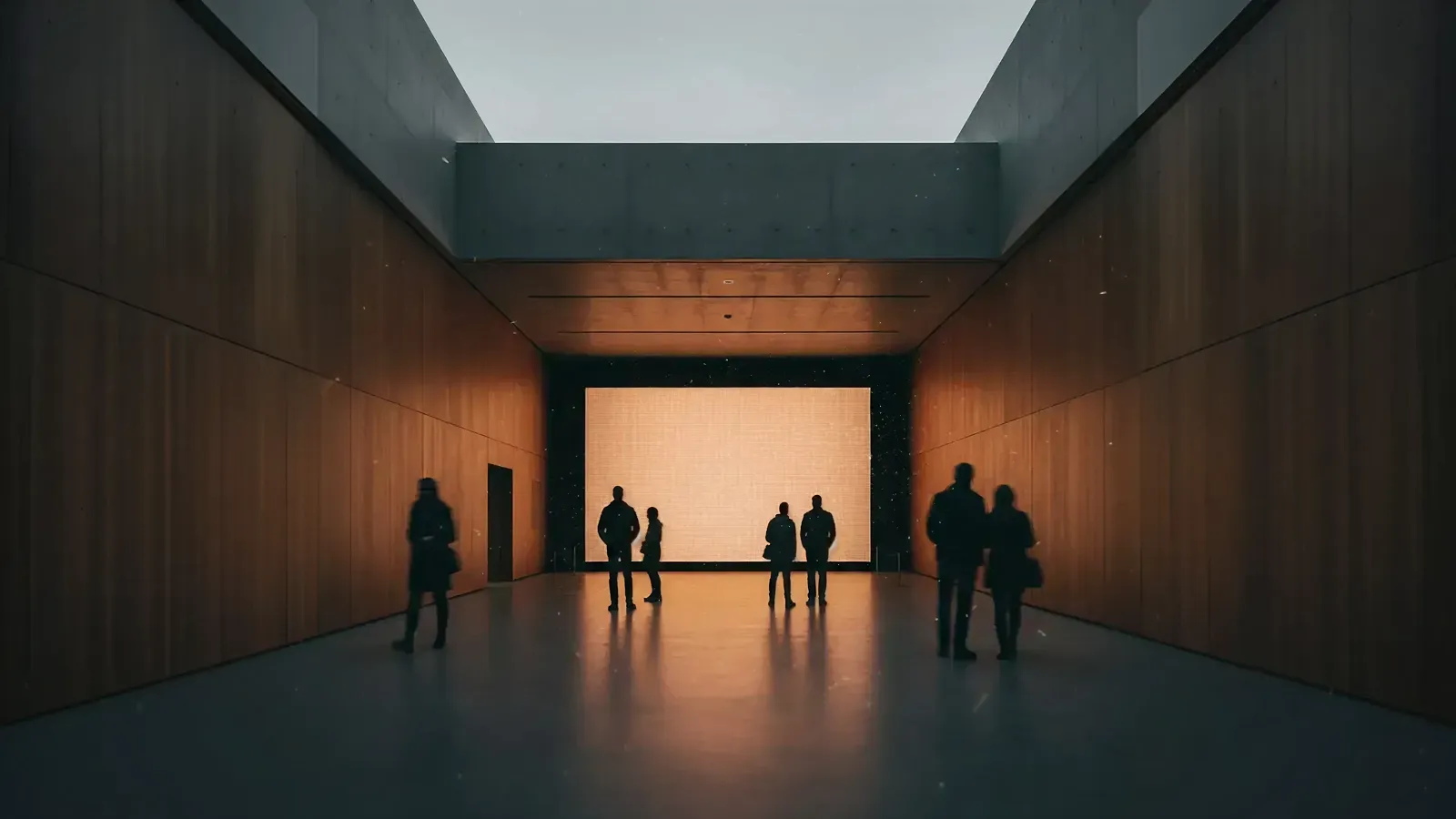
An interactive museum budget calculator helps you estimate real project costs before you write an RFP, talk to vendors, or request internal funding.
This guide turns the "how much will this cost?" question into a clear set of inputs--space, interaction type, durability, content scope, and maintenance--so you can build a credible, defensible budget range.
Who this is for: Museum directors, exhibit managers, and experience designers who need a budget estimate before stakeholder approval or procurement.
Key Takeaways
- Budget accuracy comes from inputs, not guesses.
- Most museum projects fall into pilot, standard, or flagship budget bands.
- Interaction mode and content refresh cadence often change costs more than screen size.
- A simple worksheet can align stakeholders in a single meeting.
- Clear budgets improve vendor proposals and reduce procurement friction.
1. Why Museums Need a Budget Calculator (Not Just a Cost Guide)
1-1. Cost guides are useful, but not specific enough
General pricing articles are a starting point (see our interactive installation cost guide), but museums have unique constraints:
- Longer expected lifespan
- Accessibility requirements
- Higher reliability expectations
- Complex visitor flows
A calculator translates those constraints into a realistic range.
1-2. Budget clarity reduces procurement friction
When your budget range is anchored to inputs, procurement and leadership are less likely to question it. This helps you move from "idea" to "approved initiative."
2. What Is an Interactive Museum Budget Calculator?
A budget calculator is a structured estimate tool that turns core project decisions into a cost range.
It's not a spreadsheet with fake precision. It's a decision framework that answers:
- What class of experience are we building?
- How durable must it be?
- How often will we update content?
- How many visitors will touch it each day?
3. Typical Budget Bands (Museum Context)
Use these bands as starting points, not final prices:
| Band | Typical Use Case | Approx. Range (USD) |
|---|---|---|
| Pilot | Single interaction, small footprint | $25K-$75K |
| Standard | Multi-touch or motion, mid-size | $75K-$200K |
| Flagship | Room-scale, multi-zone, custom | $200K-$600K+ |
If you want ROI context by budget tier, see Interactive Museum Installations: ROI, Costs & Examples.
4. The 6 Inputs That Drive Your Budget
4-1. Space & footprint
A larger footprint usually means more displays, sensors, and maintenance points.
- Wall vs. floor vs. room-scale
- One focal point vs. multi-zone experience
- Ceiling height and lighting conditions
4-2. Interaction type
Different interaction modes have very different costs and reliability risks.
| Interaction Mode | Typical Cost Impact |
|---|---|
| Touch screens | Low-Medium |
| Motion tracking | Medium |
| Object recognition | Medium-High |
| Multi-user gestures | High |
| Projection with tracking | High |
4-3. Content complexity
One looping scene is vastly different from a branching experience or multi-language content.
- Number of scenes
- Localized versions
- Audio + captioning
- Data-driven content vs. static
4-4. Durability requirements
Museums need ruggedized setups.
- 8-12 hours/day uptime
- Minimal staff intervention
- Accessible hardware placement
- Protective enclosures
4-5. Content refresh cadence
How often will you update content?
- Once per year (low)
- Seasonal or quarterly (medium)
- Event-driven or monthly (high)
4-6. Maintenance & support
Often underestimated, but critical.
- On-site training
- Remote monitoring
- Replacement parts
- Content update budget
5. Simple Calculator Worksheet (Use This in a Meeting)
Assign a point value, then map to a budget range.
| Input | Low (1) | Medium (2) | High (3) |
|---|---|---|---|
| Footprint | Single wall | Multi-wall | Room-scale |
| Interaction | Touch | Motion | Projection + tracking |
| Content | Single scene | Multi-scene | Branching + localization |
| Durability | Basic | Durable | High-traffic + rugged |
| Refresh | Annual | Quarterly | Monthly |
| Support | Basic | Standard | Premium |
Score:
- 6-9 points -> Pilot range
- 10-13 points -> Standard range
- 14-18 points -> Flagship range
Inputs:
- Footprint: [single wall / multi-wall / room-scale]
- Interaction mode: [touch / motion / projection+tracking]
- Content scope: [single scene / multi-scene / branching+localized]
- Durability requirement: [basic / durable / rugged]
- Refresh cadence: [annual / quarterly / monthly]
- Support level: [basic / standard / premium]
Please:
- Assign a pilot/standard/flagship range
- Explain the biggest cost drivers
- Suggest where to reduce cost without harming experience
6. Where Budgets Usually Blow Up
6-1. Under-scoped content
"Just a few scenes" becomes 40+ once stakeholder feedback begins.
6-2. Hardware selected too early
Choosing hardware before defining interaction can cause expensive pivots.
6-3. No maintenance plan
A large percentage of cost issues happen after launch--especially with sensors and projection alignment.
7. Budget-Saving Moves That Don't Hurt the Experience
- Reduce interaction modes (touch + one sensor instead of multi-sensor)
- Limit content branching and focus on a core narrative
- Reuse assets across scenes to cut production time
- Simplify localization (subtitles instead of full voiceover)
8. Common Pitfalls
- Building a budget before defining interaction type
- Assuming content updates are "free"
- Ignoring accessibility until late (see our accessible museum installations guide)
- Overbuilding for a pilot exhibit
9. Roadmap: From Estimate to Real Budget
- Define goals and success metrics
- Run the worksheet (score 6-18)
- Decide budget band
- Create an RFP brief (see How to Brief an Interactive Installation Studio)
- Collect 2-3 vendor proposals
- Adjust scope or budget based on real proposals
Context:
- Exhibit theme: [topic]
- Target audience: [families / adults / students / international visitors]
- Interaction type: [touch / motion / projection]
- Budget band: [pilot / standard / flagship]
- Timeline: [months]
Please output:
- Project goals
- Core deliverables
- Technical requirements (non-technical language)
- Evaluation criteria for vendors
10. About Utsubo
Utsubo is a creative studio specializing in interactive installations and immersive experiences. We help museums design experiences that are reliable, accessible, and built to last--without overbuilding or overspending.
11. Let's Talk
Building an interactive museum experience? We work with teams on visitor engagement, exhibit design, and immersive storytelling.
If you're exploring a partnership, let's discuss your project:
- What you're building and the constraints you're working with
- Which technical approach makes sense for your goals
- Whether we're the right fit to help you execute
12. Budget Planning Checklist
- Define exhibit goals and success metrics
- Choose interaction mode (touch, motion, projection)
- Estimate footprint and visitor flow
- Decide content scope and languages
- Set maintenance and refresh expectations
- Score your project and map to a budget band
- Write a short RFP scope
- Request 2-3 proposals and validate assumptions
Summary
An interactive museum budget calculator replaces guesswork with a structured estimate. By focusing on interaction type, content scope, durability, and maintenance, you can build a credible range that aligns stakeholders and improves vendor responses.
FAQs
How accurate is a budget calculator? It's directional, not exact. It helps you choose a realistic range before vendor quotes.
What usually costs more: hardware or content? Content scope and refresh cadence often drive more cost over time than hardware.
Can a pilot budget still feel premium? Yes--focus on one strong interaction and high-quality visuals instead of scale.
Is projection always more expensive? Projection plus tracking typically raises cost and maintenance, but can be worth it for room-scale impact.
How do I avoid overbuilding? Limit interaction modes, keep content focused, and prioritize reliability over novelty.
Do I need a maintenance contract? For most public installations, yes. It prevents downtime and keeps the experience fresh.


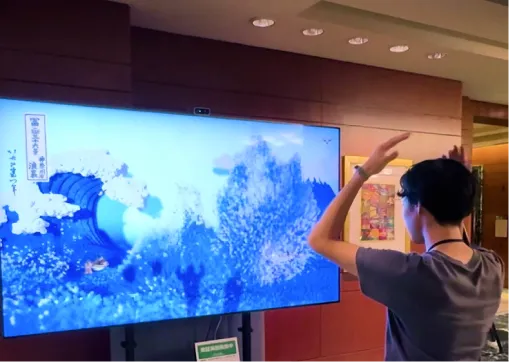 Interactive Installations for Museums