"What's the budget for this?" is usually the first question—and often the hardest to answer.
Interactive installations span a huge range: from a $15,000 pop-up touchscreen to a $500,000+ room-scale immersive environment. This guide cuts through the vagueness with real budget tiers, what drives costs up or down, and the hidden expenses first-time buyers often miss.
If you're planning an installation for a museum, retail space, hotel lobby, or corporate office, this will help you set realistic expectations before you start requesting proposals.
Who this is for: Marketing directors, museum curators, hospitality managers, and anyone responsible for budgeting an experiential installation project.
Key Takeaways
- Interactive installation budgets typically fall into 4 tiers: Starter ($15K–$30K), Standard ($40K–$80K), Premium ($100K–$200K), and Enterprise ($200K+)
- The biggest cost drivers are hardware complexity, custom content creation, and site-specific integration
- First-time buyers often underestimate hidden costs: site surveys, content updates, maintenance contracts, and staff training
- Cheaper isn't always better—cutting corners on reliability can cost more in downtime and repairs
- Always request a detailed scope breakdown so you understand where your money goes
1. Why Interactive Installation Pricing Feels Confusing
1-1. Every project is custom
Unlike buying off-the-shelf products, interactive installations are built to fit your space, your brand, and your audience. A "simple touch wall" at one venue might require completely different hardware, software, and integration than at another.
This means studios can't publish fixed prices the way a furniture store can.
1-2. Three separate cost buckets
Interactive installation budgets typically break down into:
| Category | What It Includes | % of Budget |
|---|---|---|
| Hardware | Displays, projectors, sensors, computers, mounts, cabling | 30–50% |
| Software & Content | Custom development, 3D assets, motion graphics, UX design | 30–50% |
| Fabrication & Install | Physical structures, site work, wiring, testing, training | 15–30% |
When you ask "how much does it cost?", the answer depends on which buckets your project emphasizes.
1-3. One-time vs. ongoing costs
The initial build is only part of the picture. Many installations require:
- Content refreshes (seasonal updates, campaign changes)
- Maintenance contracts (hardware repairs, software updates)
- Monitoring & analytics (usage tracking, performance reporting)
A low upfront quote that doesn't include ongoing support can end up costing more over 3–5 years.
2. The 4 Budget Tiers Explained
Starter Tier: $15,000–$30,000
What you get:
- Single touchpoint experience (one screen or projection surface)
- Template-based or lightly customized software
- Standard commercial hardware
- Basic installation and setup
- Limited interactivity (touch, simple gesture)
Best for:
- Pop-up activations and temporary events
- Small retail spaces testing the concept
- Budget-conscious pilots before larger investment
- Conference booths and trade shows
Limitations:
- Less differentiation (others may have similar experiences)
- Limited scalability
- Minimal custom content
Example: A 55" touch kiosk with branded content letting visitors explore product features. Setup in 2–3 weeks.
Standard Tier: $40,000–$80,000
What you get:
- Custom-designed experience tailored to your brand
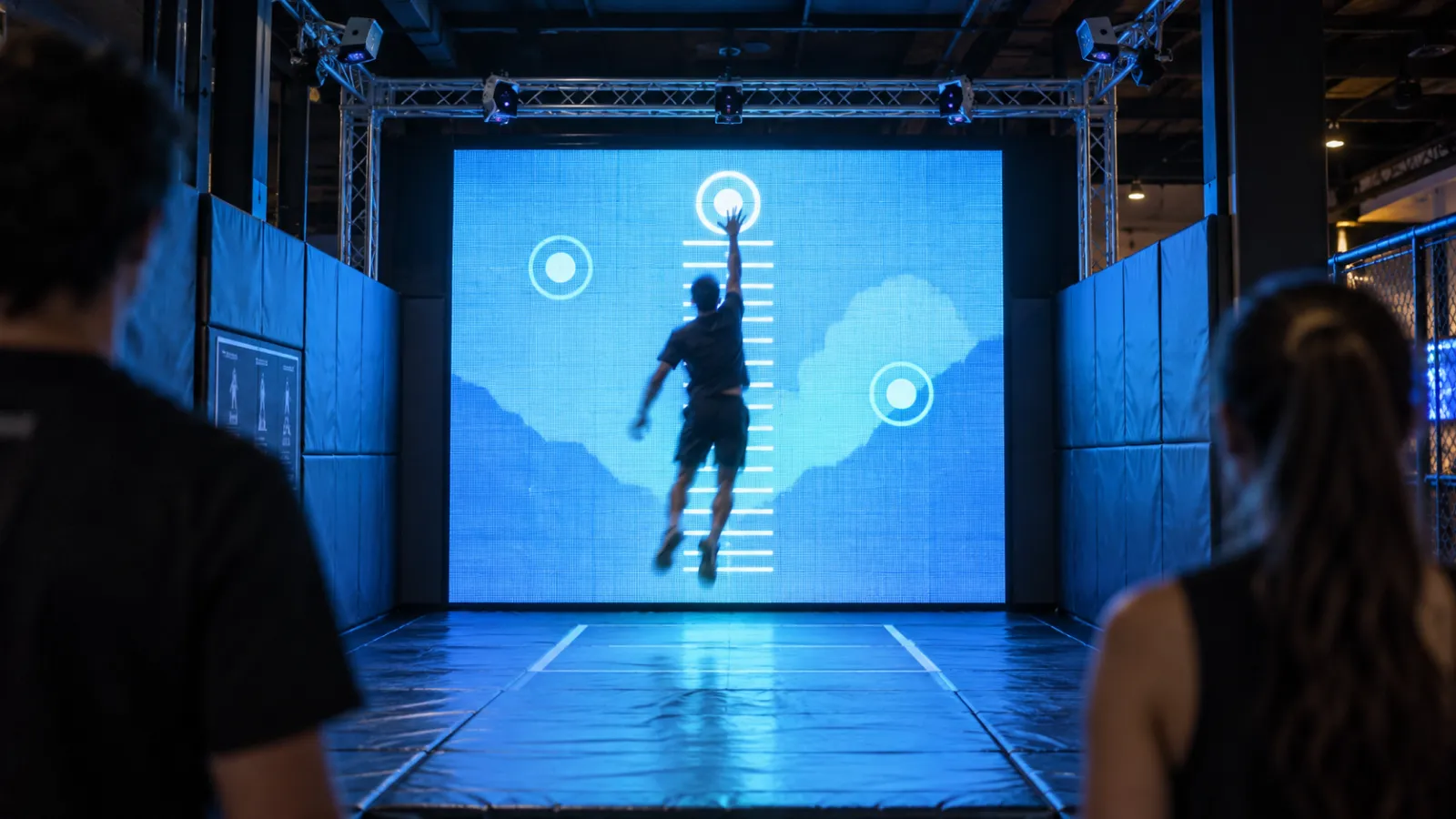
- Multi-sensor interaction (touch + presence detection + gesture)
- Higher-quality displays or projection
- Professional content creation (3D, motion graphics)
- Site survey and technical planning
- Testing and optimization period
- Basic analytics integration
Best for:
- Flagship retail stores
- Small to medium museums
- Hotel lobbies
- Corporate showrooms
- Permanent installations with 2+ year lifespan
Example: A motion-reactive wall in a retail flagship that responds to passersby, draws them in, and connects to a product storytelling moment. 8–12 week timeline.
Premium Tier: $100,000–$200,000
What you get:
- Fully bespoke experience designed from scratch
- Room-scale or multi-surface installations
- Advanced technology (projection mapping, real-time 3D, AI-driven personalization)
- Integration with existing systems (CRM, POS, visitor management)
- Comprehensive content package with multiple "scenes" or modes
- Full analytics dashboard
- On-site installation supervision
- Maintenance contract included (often 1 year)
Best for:
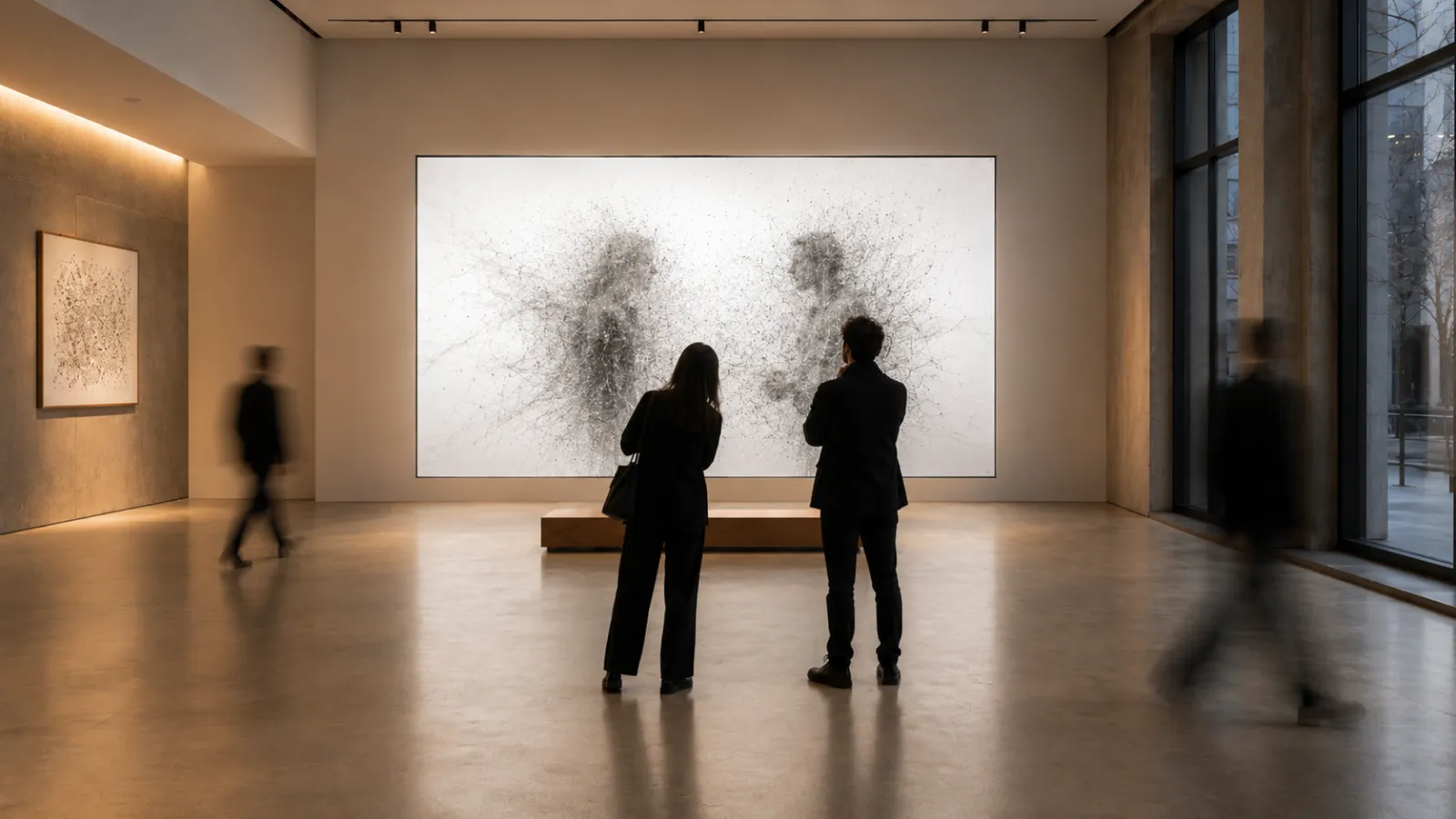
- Major museum exhibitions
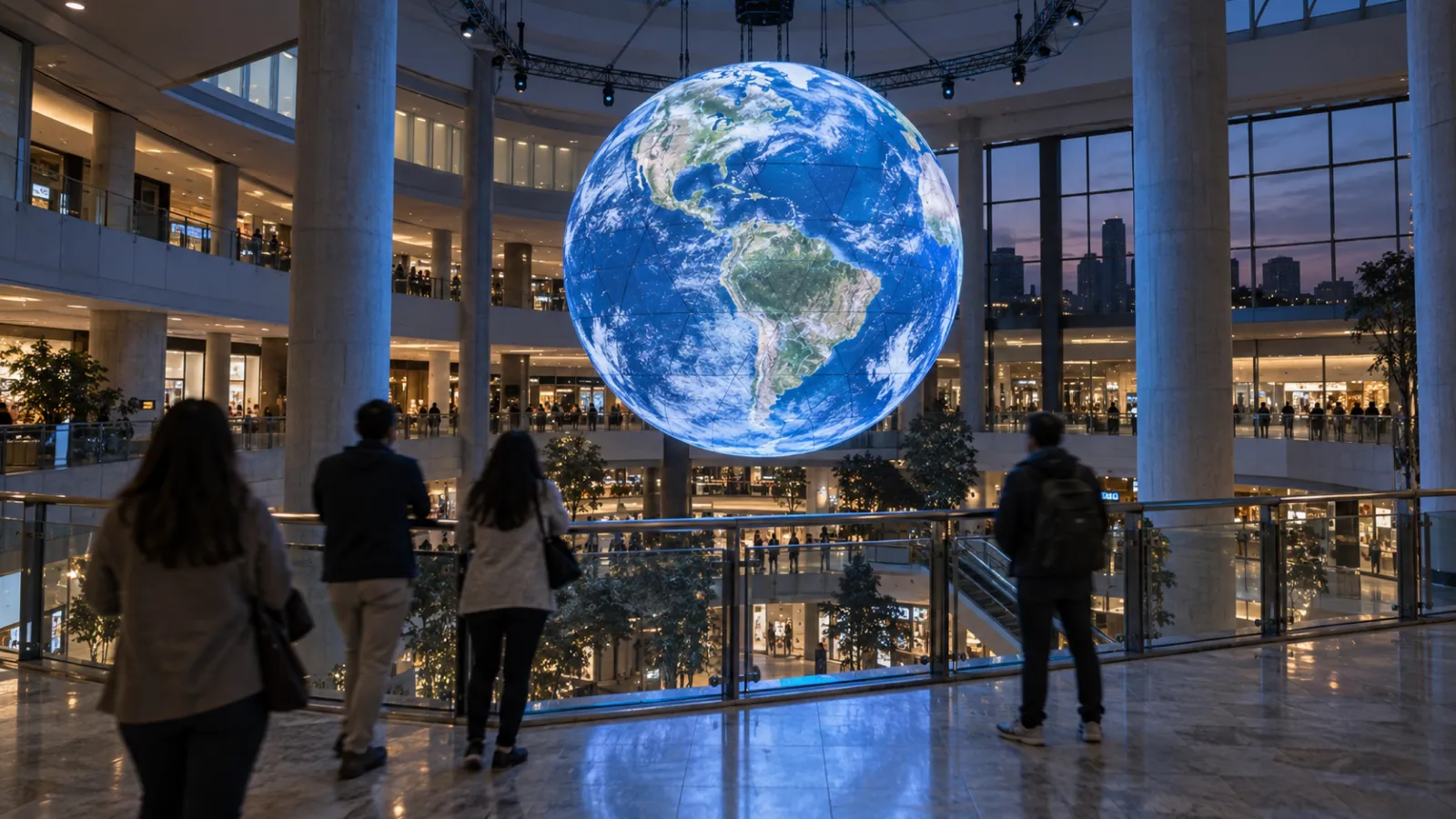
- Large hotel lobbies and signature spaces
- Retail flagship "hero moments"
- Visitor centers and brand experience centers
- Multi-year installations with content refresh cycles
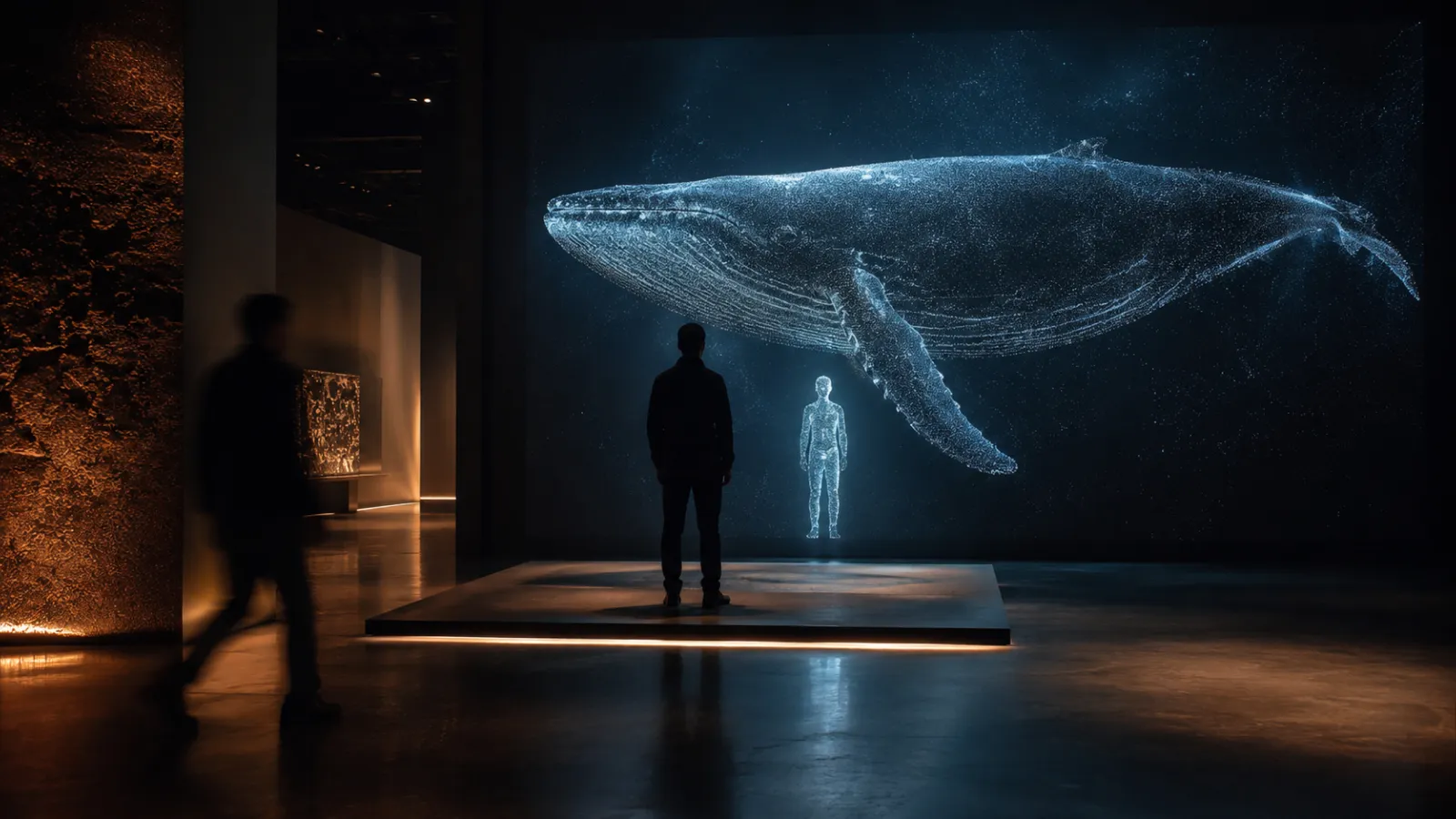
Example: An immersive museum gallery where visitors' movements trigger evolving visuals and soundscapes, with data on dwell time and engagement feeding back to curators. 16–24 week timeline.
Enterprise Tier: $200,000+
What you get:
- Multi-site deployable solutions
- Connected experiences across locations
- Advanced integration (IoT, building systems, mobile apps)
- Custom hardware development if needed
- Dedicated project team throughout
- Multi-year maintenance and content evolution contracts
- Performance guarantees and SLAs
Best for:
- Retail chains rolling out to multiple stores
- Museum networks with shared content
- Hotel groups standardizing lobby experiences
- Theme parks and entertainment venues
- Government and cultural institutions with long-term mandates
Example: A retail chain deploying interactive brand moments to 20 stores with centralized content management, real-time analytics across locations, and seasonal content updates. 6–12 month rollout.
3. What Drives the Price Up (And Down)
Factors that increase cost
| Factor | Why It Costs More |
|---|---|
| Larger scale | More hardware, more content, more installation time |
| Custom hardware | Off-the-shelf saves money; custom builds require engineering |
| Complex content | Real-time 3D, AI, personalization require more development |
| Multiple languages | Each language needs content localization and testing |
| Outdoor/harsh environments | Weatherproofing, brightness, and durability add cost |
| Legacy system integration | Connecting to old POS, CRM, or building systems takes time |
| Tight timelines | Rush work requires more resources and overtime |
| Remote locations | Travel, shipping, and logistics add up |
Factors that reduce cost
| Factor | Why It Saves Money |
|---|---|
| Template-based software | Less custom development |
| Standard display sizes | Commercial hardware is cheaper and easier to replace |
| Simple interactions | Touch-only is simpler than gesture, body tracking, or AI |
| Indoor, controlled environment | No weatherproofing needed |
| Flexible timeline | Studios can schedule efficiently without rush premiums |
| Pilot first, scale later | Prove concept before committing to large rollout |
| Content reuse | Adapting existing 3D assets or brand content |
4. Hidden Costs First-Time Buyers Miss
4-1. Site survey and technical assessment
Before any build starts, studios need to understand your space: power availability, networking, ambient lighting, foot traffic patterns, and structural constraints.
Typical cost: $2,000–$10,000 depending on complexity and travel.
Some studios include this in their proposal; others charge separately. Always ask.
4-2. Content updates after launch
Interactive installations aren't "set and forget." You'll want to:
- Refresh content for seasons or campaigns
- Fix bugs and improve based on user feedback
- Add new features or experiences
Typical cost: $5,000–$30,000/year depending on scope and frequency.
4-3. Hardware warranty and replacement
Commercial hardware has lifespans. Projector bulbs burn out. Computers need replacement after 4–5 years. Sensors can fail.
Typical cost: 5–15% of hardware value per year for maintenance contracts.
4-4. Staff training
Your team needs to know:
- How to start/stop the system
- Basic troubleshooting
- Who to call when something goes wrong
- How to interpret analytics
Typical cost: $1,000–$5,000 for training sessions and documentation.
4-5. Insurance and liability
Some venues require additional insurance coverage for interactive technology—especially anything involving visitor movement detection or data collection.
Typical cost: Varies by jurisdiction and venue policy. Check with your risk team.
4-6. Power and networking upgrades
Older buildings may need electrical work or network upgrades to support the installation's requirements.
Typical cost: $2,000–$20,000+ depending on existing infrastructure.
5. How to Get Accurate Quotes
5-1. What to include in your brief
The more detail you provide, the more accurate the quotes:
- Goals: What business outcome are you trying to achieve?
- Audience: Who will use this? How many per day?
- Space details: Dimensions, photos, floor plans if available
- Interactivity level: Touch? Gesture? Full-body? Mobile integration?
- Content needs: What stories do you want to tell?
- Timeline: When does it need to be live?
- Budget range: Even a rough range helps studios scope appropriately
- Lifespan: Temporary event vs. multi-year permanent installation
5-2. Questions to ask studios
- "What's included in this quote and what's not?"
- "What are the ongoing costs after launch?"
- "What happens if hardware fails after warranty?"
- "How do you handle content updates?"
- "Can I see a detailed breakdown by category?"
- "What's your track record with similar projects?"
- "Who will be on the project team?"
5-3. Red flags in proposals
Watch out for:
- Vague line items ("Development: $50,000" with no detail)
- No mention of maintenance (are they hoping you won't ask?)
- Unrealistic timelines (if it sounds too fast, something will be cut)
- No site visit (how can they quote accurately without seeing the space?)
- Lowest bid by far (either they're missing scope or cutting quality)
5-4. Why "cheap" can cost more
Choosing the cheapest quote often leads to:
- More downtime from unreliable hardware
- Higher maintenance costs from poor initial build quality
- Shorter lifespan requiring earlier replacement
- Frustration from limited support and slow response times
- Reputation damage if the experience doesn't work properly
Calculate total cost of ownership over 3–5 years, not just the initial build.
6. Budget Examples by Venue Type
These are illustrative ranges based on typical projects. Your actual budget will depend on specific requirements.
Retail pop-up activation
| Component | Budget Range |
|---|---|
| Single interactive touchpoint | $15,000–$25,000 |
| Content design and development | $8,000–$15,000 |
| Installation and testing | $3,000–$5,000 |
| Total | $26,000–$45,000 |
Timeline: 4–8 weeks
Museum interactive exhibit
| Component | Budget Range |
|---|---|
| Multi-surface display system | $40,000–$80,000 |
| Custom content and storytelling | $30,000–$60,000 |
| Integration with exhibition narrative | $10,000–$20,000 |
| Installation and commissioning | $15,000–$30,000 |
| Total | $95,000–$190,000 |
Timeline: 16–24 weeks
Hotel lobby installation
| Component | Budget Range |
|---|---|
| LED or projection hardware | $50,000–$100,000 |
| 24/7 reliability systems | $15,000–$30,000 |
| Ambient content suite | $25,000–$50,000 |
| Installation and integration | $15,000–$25,000 |
| First-year maintenance | $10,000–$20,000 |
| Total | $115,000–$225,000 |
Timeline: 12–20 weeks
7. Budgeting Strategies That Work
7-1. Start with a pilot
Don't commit $200K on your first interactive installation. Start with a $30K–$50K pilot:
- Prove the concept works for your audience
- Learn what needs improvement
- Build internal support with real data
- Scale confidently once proven
7-2. Plan for the full lifecycle
Budget not just for the build, but for:
- Year 1: Build + launch
- Years 2–3: Content refresh + minor updates
- Years 4–5: Potential hardware refresh
7-3. Build a contingency
Industry standard is 10–15% contingency for unexpected costs. Site surprises, scope changes, and technical challenges happen.
7-4. Align internally before requesting quotes
Get stakeholders aligned on:
- Goals and success metrics
- Budget range and approval process
- Timeline and key milestones
- Decision-makers and approval workflow
Studios can tell when a client isn't internally aligned—it leads to scope creep and delays.
8. About Utsubo
Utsubo is a creative studio specializing in interactive installations and immersive web experiences for museums, retail, hotels, and cultural institutions.
We believe in transparent pricing and clear communication:
- We provide detailed breakdowns so you know where your budget goes
- We discuss ongoing costs upfront, not as surprises later
- We design experiences that balance ambition with realistic budgets
- We can work across budget tiers from pilot projects to enterprise rollouts
Whether you're planning your first installation or your fiftieth, we can help you scope a project that achieves your goals within your constraints.
9. Get a Custom Budget Estimate
Ready to move from "how much does it cost?" to a real number? Book a 30-minute scoping call:
- Book a call:Schedule with Utsubo
We'll discuss your space, goals, and constraints—and give you a realistic budget range before you invest more time.
10. Budget Planning Checklist
- Defined clear goals and success metrics for the installation
- Identified the target audience and expected daily visitors
- Gathered space details (dimensions, photos, floor plans)
- Determined interactivity level (touch, gesture, full-body, mobile)
- Established timeline and key milestones
- Identified internal stakeholders and approval process
- Set a budget range (or at least a ceiling)
- Decided on temporary vs. permanent installation
- Considered ongoing costs (maintenance, content updates, training)
- Added 10–15% contingency for unexpected costs
- Reviewed 3–5 year total cost of ownership
- Requested detailed breakdowns from potential studios
FAQs
What's the minimum budget for an interactive installation? For a simple single-touchpoint experience (one screen with basic interactivity), budgets typically start around $15,000–$20,000. Below this, you're likely looking at standard digital signage rather than true interactive experiences. Pop-up activations and temporary events can sometimes work at the lower end; permanent installations usually require more investment for reliability and longevity.
Do I pay for hardware separately from development? It depends on the studio and project structure. Some studios provide fully bundled quotes including hardware procurement. Others quote development separately and recommend you purchase hardware directly. Always ask for a breakdown so you understand what's included. If you purchase hardware separately, ensure compatibility has been confirmed.
What's typically included in a maintenance contract? Standard maintenance contracts cover: remote monitoring and diagnostics, software updates and bug fixes, scheduled hardware inspections, and a service level agreement (SLA) for response times when issues occur. Higher-tier contracts may include replacement parts, 24/7 support, and annual content updates. Typical costs range from 5–15% of the initial project value per year.
How long does it take to build an interactive installation? Timelines vary significantly by complexity. Simple single-touchpoint projects: 4–8 weeks. Standard custom installations: 8–16 weeks. Premium multi-surface experiences: 16–24 weeks. Enterprise multi-site rollouts: 6–12 months. These include design, development, testing, and installation phases. Rush timelines are possible but typically increase costs by 15–30%.
Can I start small and expand later? Absolutely—this is often the smartest approach. Start with a pilot project ($25K–$50K) to prove the concept, gather data, and build internal support. Successful pilots make it much easier to justify larger investments. When planning pilots, choose a studio that can scale with you so the pilot architecture supports future expansion.
Is it cheaper to buy used or refurbished hardware? For commercial-grade displays and projectors, used equipment can save 30–50% upfront. However, consider: shorter remaining lifespan, reduced or no warranty, potential compatibility issues, and higher maintenance costs. For mission-critical permanent installations, new commercial-grade hardware is usually worth the premium. For temporary activations, refurbished can make sense with proper testing.


 Osaka Interactive Installation Studio