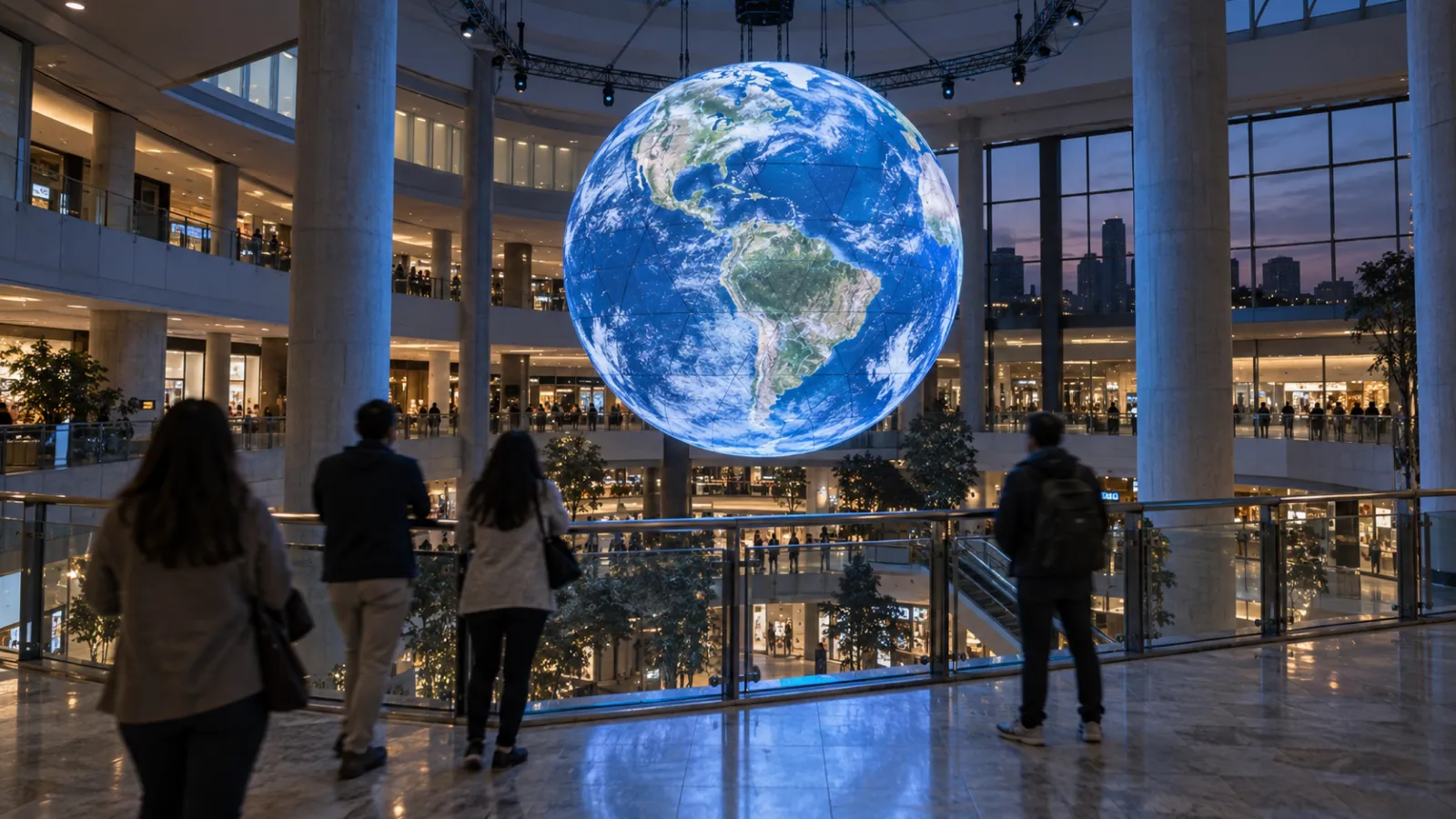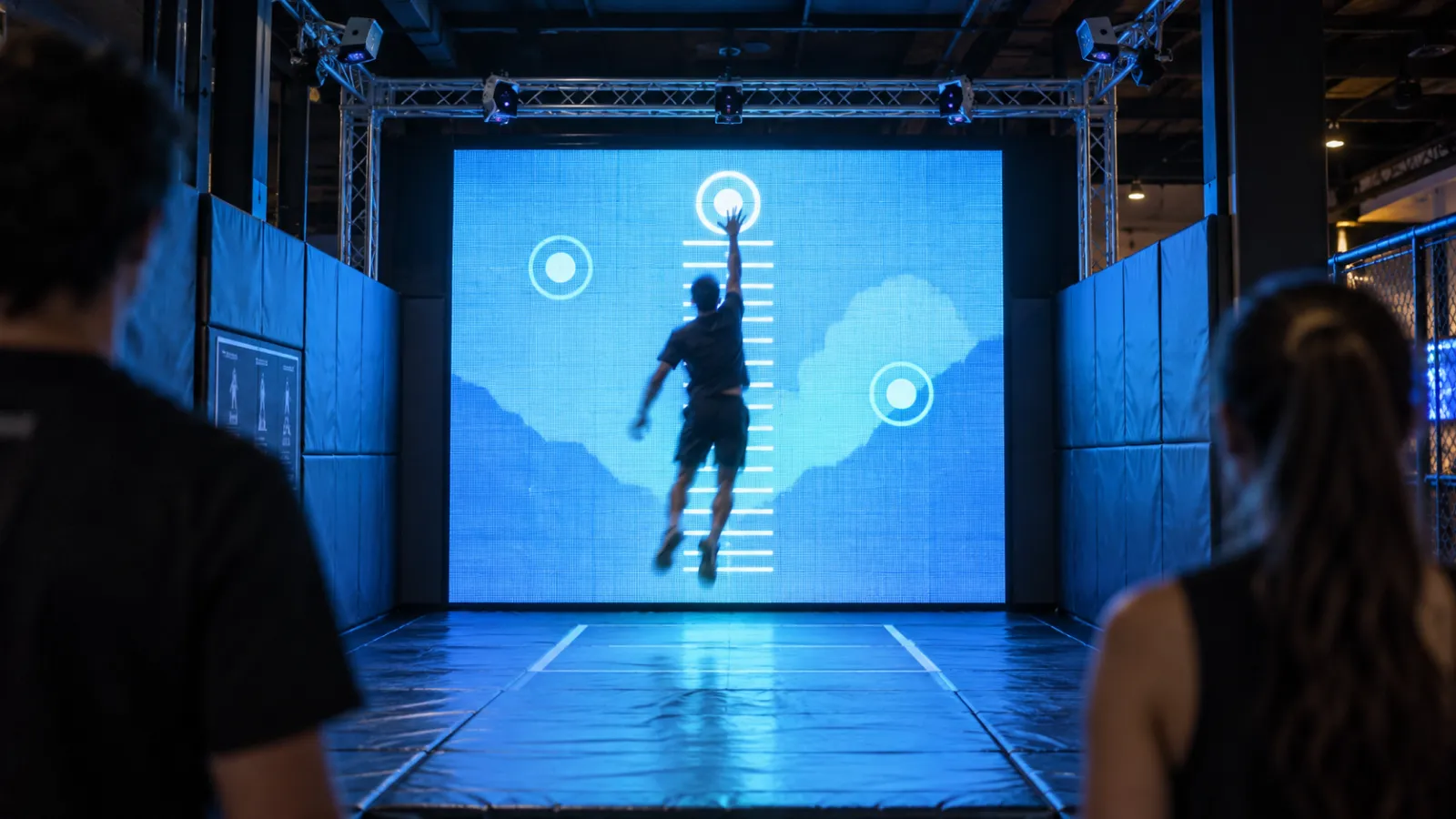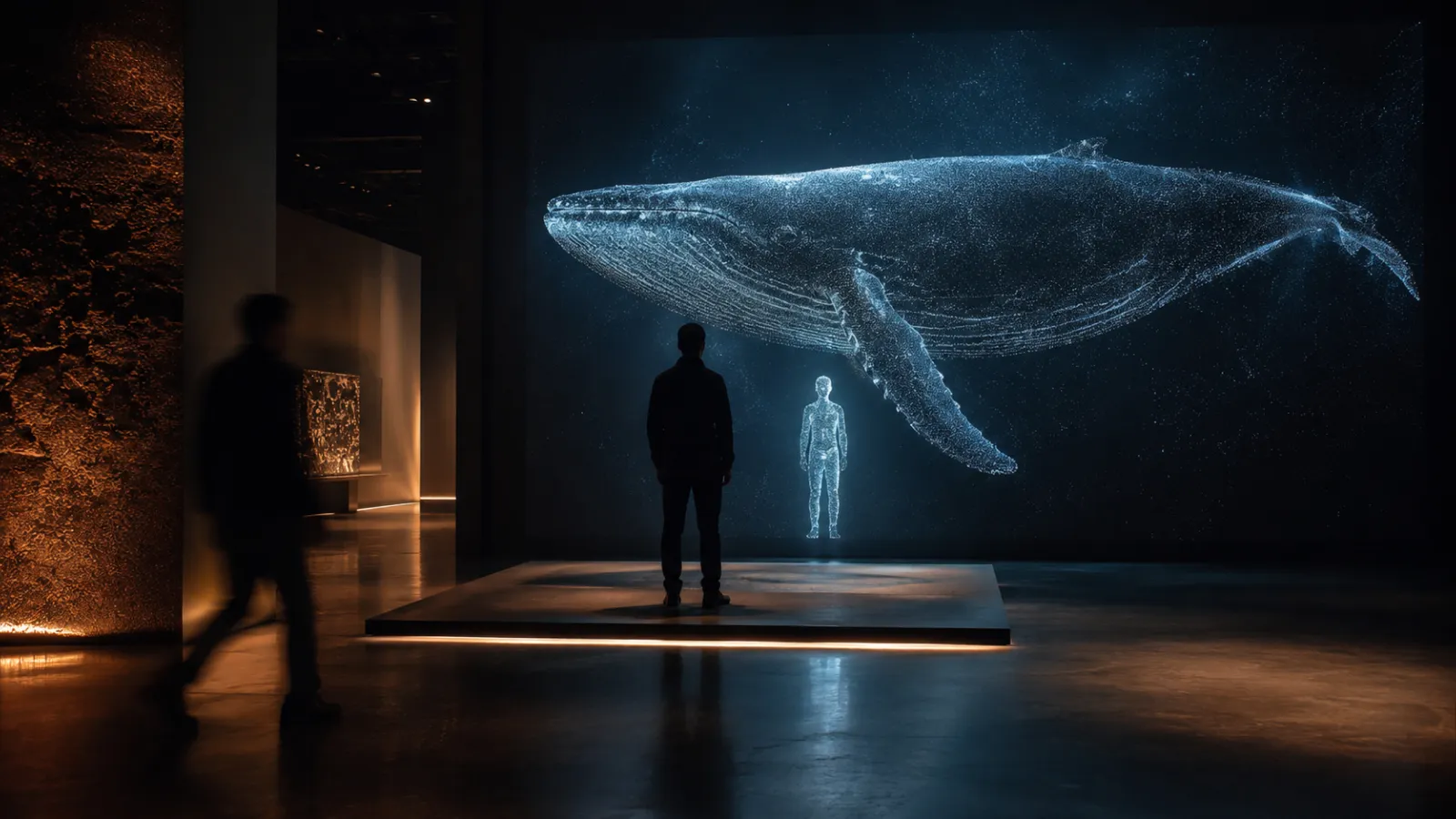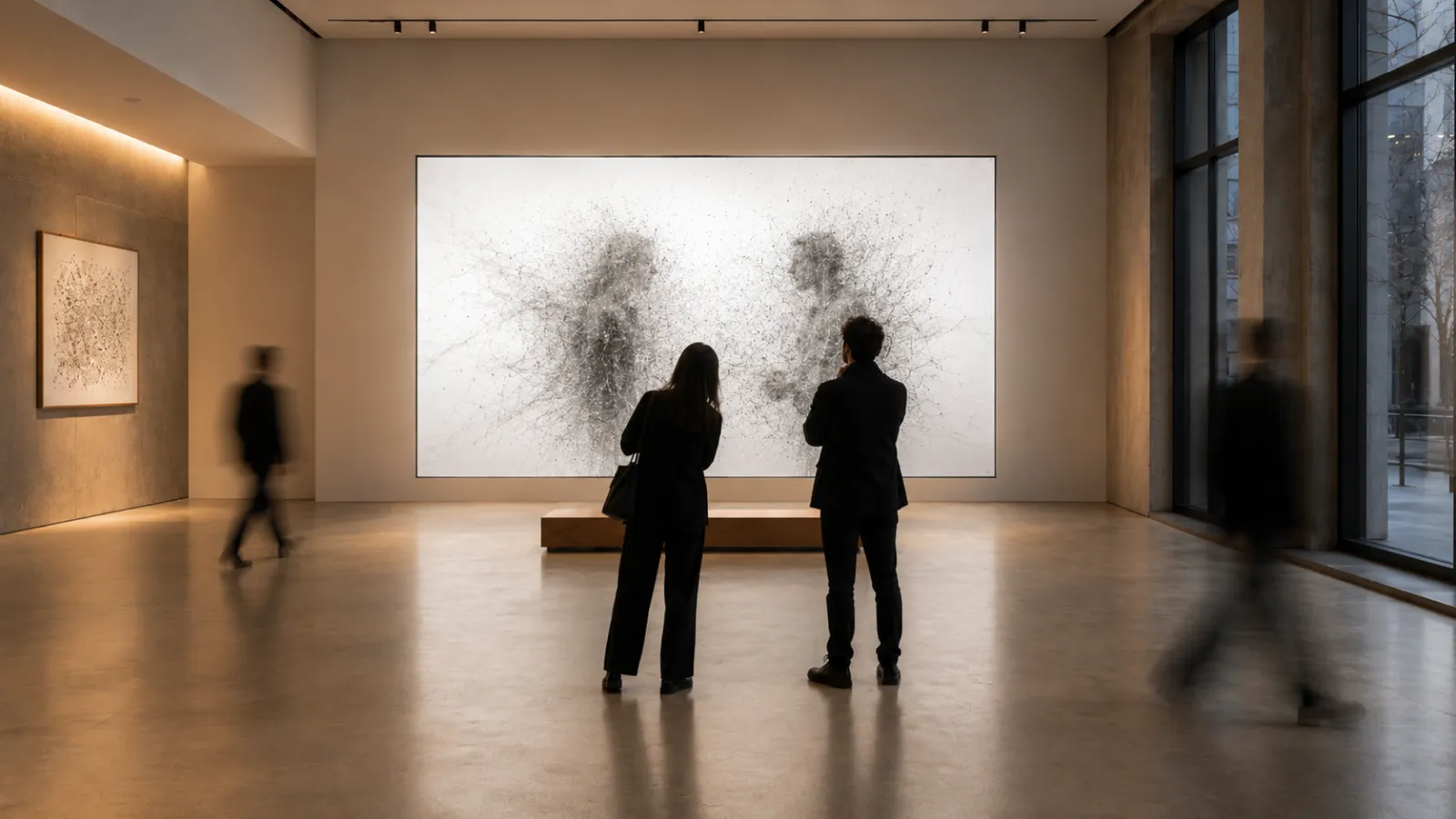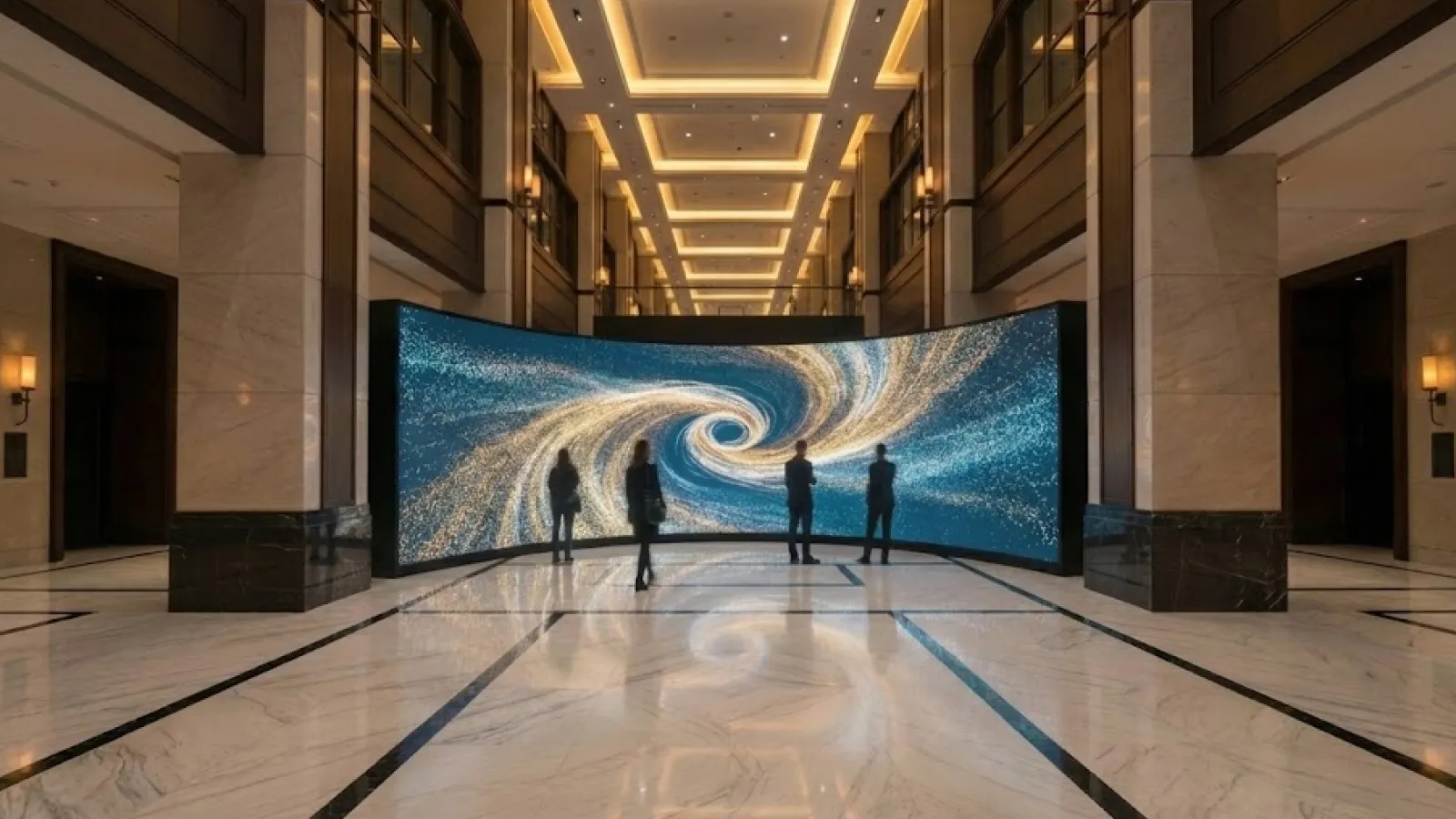
A hotel lobby isn't just a transition space—it's the first impression and lasting memory of your brand.
Interactive installations transform that moment from "check-in and leave" into a stop, a photo, and a story guests tell after they go home—and when designed with measurement in mind, they become a driver for guest satisfaction, social sharing, F&B revenue, and brand differentiation. This shift is part of the experience economy: guests increasingly value memorable moments over mere amenities.
This guide breaks down what interactive hotel installations are, why they work, how to design them for 24/7 reliability, and how to connect the experience to real hospitality KPIs.
Who this is for: Hotel GMs, operations directors, guest experience leads, hospitality brand teams, and design agencies planning a lobby renovation, new property opening, or brand refresh.
Key Takeaways
- Static art and video loops often become invisible—guests walk past without noticing. Interactive installations create a moment worth stopping for.
- Hotels serve diverse, multilingual guests around the clock. The best installations work through movement and visuals, not text instructions.
- "Photo-worthy moments" generate UGC and social proof without increasing marketing spend.
- Interactive experiences can drive guests toward F&B outlets, spa bookings, and amenity discovery—not just awareness.
- 24/7 operation requires reliability-first design: stable hardware, remote monitoring, and content that evolves without manual intervention.
1. Why Static Displays No Longer Impress Hotel Guests
1-1. Guests expect more than they used to
Today's travelers have experienced:
- Immersive museums and digital art exhibitions
- Interactive retail flagships
- AR filters and real-time effects on their phones
A static painting or looping video—no matter how beautiful—often becomes background noise:
- Guests glance briefly, then move on
- It doesn't create a memory or a photo moment
- It doesn't differentiate your property from competitors
1-2. Lobbies are underutilized brand real estate
The lobby is where every guest passes—often multiple times per day. Yet in many hotels, it's purely functional:
- Check-in counter
- Seating area
- Maybe some signage
An interactive installation turns that space into a brand experience: a moment guests want to share, remember, and associate with your property.
2. What Is an Interactive Hotel Installation?
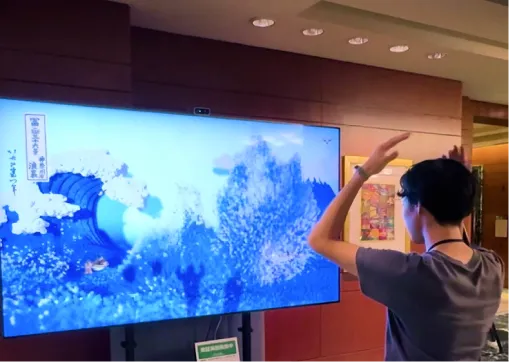
An interactive hotel installation is a digital experience that responds to guest presence, movement, touch, or input—transforming the lobby (or other public spaces) from passive to participatory.
The goal isn't novelty for its own sake. It's engagement:
- "I noticed something beautiful"
- "It reacted to me"
- "I want to take a photo / share this / show someone"
Common formats
- Lobby feature walls: Large-scale generative art or reactive visuals that respond to movement or time of day
- Welcome experiences: Personalized greetings, seasonal themes, or destination storytelling near reception
- Wayfinding and concierge kiosks: Interactive maps, restaurant recommendations, local guides
- Restaurant/bar ambiance: Real-time visuals that shift with music, time, or guest activity
- Spa and wellness: Immersive relaxation environments with responsive lighting and projection
- Event spaces: Transformable ballroom visuals for weddings, conferences, and galas
3. The 5 Outcomes Interactive Installations Deliver for Hotels
3-1. Guest engagement and dwell time
When guests stop to interact—or even just watch others interact—they spend more time in public spaces. More time means:
- More exposure to your brand and amenities
- More opportunities to discover F&B, spa, or retail
- More relaxed, positive associations with the property
3-2. Photo-worthy moments and UGC
The best hotel installations include a designed "share peak":
- The visual is naturally photogenic
- Guests appear in or alongside the content
- Sharing is frictionless (no app required, just point and shoot)
That's how you generate social proof without buying more media—guests become your marketing channel.
3-3. F&B and amenity discovery
Interactive installations can subtly guide guests toward:
- The bar or restaurant ("Tonight's cocktail special")
- The spa ("Book your treatment")
- Local experiences ("Explore the neighborhood")
When wayfinding and discovery are woven into the experience, you're not just decorating—you're driving revenue.
3-4. Brand differentiation
In a competitive hospitality market, guests choose properties that offer something memorable. An interactive lobby experience becomes:
- A reason to choose your hotel over others
- A talking point for guests and travel media
- A signature element of your brand identity
3-5. Repeat guest engagement
Unlike static art, interactive installations can evolve:
- Seasonal themes (cherry blossoms in spring, snow in winter)
- Event-based content (local festivals, conferences, holidays)
- Generative systems that never repeat exactly the same way
Repeat guests see something new each time—keeping the experience fresh without replacing hardware.
4. Designing for 24/7 Hospitality Environments
Hotel installations face unique constraints that retail or museum projects don't. Here's how to design for them.
4-1. Always-on reliability
Hotels never close. Your installation needs:
- Industrial-grade hardware that runs continuously without overheating or crashing
- Auto-recovery systems that restart gracefully after power interruptions
- Remote monitoring so your team (or vendor) can detect issues before guests notice
4-2. Ambient vs. interactive modes
Not every guest wants to interact—and not every moment calls for active engagement. Design for both:
- Ambient mode: Beautiful, evolving visuals that work even when no one is directly engaging
- Interactive mode: Responds when guests approach, move, or touch
This dual-mode approach ensures the installation is never "broken" or "waiting"—it's always alive.
4-3. Sound considerations
Hotel lobbies have conversations, check-ins, and quiet moments. Sound design must be:
- Optional or ambient: No loud attention-grabbing audio
- Zoned: If audio is used, it should be localized (directional speakers, near-field audio)
- Time-aware: Quieter at night, livelier during events
Many successful hotel installations are silent by default—visual impact without audio intrusion.
4-4. Lighting integration
Interactive visuals must work with:
- Natural daylight (lobbies often have large windows)
- Artificial lighting (which changes throughout the day)
- Reflections from glass and polished surfaces
This requires careful calibration and, ideally, adaptive brightness based on ambient light.
4-5. Multilingual and inclusive design
Hotels serve international guests with:
- Different languages
- Different accessibility needs
- Different cultural expectations
Design for inclusion:
- Minimize text; prioritize universal visual language
- Ensure reach and interaction zones work for different heights and mobility levels
- Caption or subtitle where needed
- Offer multiple language options for any text-based content
5. Technical Requirements for Hotel Installations
5-1. Hardware durability
Hotel installations often run 16–24 hours per day, 365 days per year. Hardware must be:
- Commercial-grade: Consumer displays and PCs aren't designed for this workload
- Ventilated: Proper cooling prevents overheating and extends lifespan
- Serviceable: Components should be replaceable without removing the entire installation
5-2. Content management (CMS)
You need a way to update content without rebuilding the entire experience:
- Seasonal updates: New themes for holidays, local events, promotions
- Dynamic scheduling: Different content for morning vs. evening, weekday vs. weekend
- Emergency overrides: Display safety messages or event announcements when needed
A well-designed CMS lets your marketing or operations team make updates without calling the vendor every time.
5-3. Remote monitoring and maintenance
Downtime hurts guest experience. Remote systems should provide:
- Real-time status: Is the installation running? Any errors?
- Automatic alerts: Notify your team or vendor if something fails
- Remote restart: Fix most issues without dispatching a technician
5-4. Integration with hotel systems
Depending on scope, installations can integrate with:
- Property Management Systems (PMS): Personalized greetings for VIP guests
- Digital signage networks: Unified content across lobby, elevators, and rooms
- Event calendars: Automatic theme changes for conferences or weddings
Integration adds complexity but can unlock powerful guest experiences.
6. Budget and Timeline
6-1. Budget ranges by installation type
| Installation Type | Typical Budget Range | Notes |
|---|---|---|
| Single feature display | $15,000–$40,000 | One screen/projection with interactive content |
| Lobby feature wall | $40,000–$100,000 | Large-scale, custom content, ambient + interactive |
| Multi-zone experience | $80,000–$180,000+ | Multiple touchpoints, CMS, integration |
| Immersive room (spa/event) | $100,000–$250,000+ | Full environment, projection mapping, sensors |
Budgets vary based on:
- Physical footprint and hardware requirements
- Content complexity and customization
- Integration with existing systems
- Ongoing maintenance and content updates
6-2. Typical project timeline
| Phase | Duration |
|---|---|
| Discovery & concept | 2–4 weeks |
| Design & prototyping | 4–6 weeks |
| Development & testing | 6–10 weeks |
| Installation & calibration | 1–2 weeks |
| Total | 13–22 weeks |
Timelines can compress for simpler installations or extend for complex, multi-zone projects.
6-3. Ongoing costs
Plan for:
- Maintenance contracts: Hardware servicing, software updates, monitoring
- Content updates: Seasonal refreshes, new themes, event-specific content
- Electricity and connectivity: Typically minimal, but worth budgeting
A well-maintained installation can operate for 5–8+ years with periodic content refreshes.
7. ROI and Measurement
7-1. Guest satisfaction metrics
Track through:
- Guest surveys: "What stood out about your stay?"
- Review mentions: Monitor TripAdvisor, Google, and social for installation references
- Net Promoter Score (NPS): Correlate with installation launch periods
7-2. Social media and UGC
Measure:
- Hashtag and geotag volume: Are guests posting from your lobby?
- Photo quality and shareability: Are the posts favorable? Do they show the installation?
- Earned media: Press coverage, travel blogger features, influencer mentions
7-3. Dwell time and engagement
With privacy-first analytics, you can track:
- Stop rate: How many guests pause to look or interact?
- Dwell time: How long do they engage?
- Time-of-day patterns: When is engagement highest?
7-4. Revenue attribution
Where possible, link engagement to:
- F&B revenue: Did guests who engaged visit the restaurant more?
- Spa bookings: Did interactive wayfinding drive more appointments?
- Event inquiries: Did the ballroom installation influence corporate bookings?
Attribution requires careful tracking but demonstrates concrete ROI.
8. Where Hotel Installations Work Best
Interactive installations perform especially well in:
- Luxury and boutique hotels: Where brand experience and differentiation matter most
- Business hotels: Creating memorable moments that stand out from commodity stays
- Resort lobbies: Extending the vacation feeling from the moment guests arrive
- Renovated properties: Signaling a fresh brand identity and modernized guest experience
- New openings: Generating buzz and establishing brand positioning from day one
They're also valuable when:
- Your lobby currently feels generic or dated
- Competitors are investing in experiential upgrades
- You want to attract a younger, experience-seeking guest demographic
- You're looking for social media amplification without paid campaigns
9. Common Pitfalls (and How to Avoid Them)
Choosing "wow" over reliability
- Impressive demos that crash in production are worse than no installation at all.
- Prioritize stable, tested systems over flashy prototypes.
Ignoring ambient mode
- If the installation looks "off" when no one is interacting, guests assume it's broken.
- Design for continuous visual presence, not just active interaction.
Underestimating maintenance
- Hotels aren't museums—things get bumped, spilled on, and used heavily.
- Budget for ongoing maintenance, not just initial installation.
Forgetting about sound
- Loud audio in a lobby creates complaints, not engagement.
- Default to silent or ambient; use directional audio if sound is essential.
Designing for one audience
- International guests, families, business travelers, and accessibility needs all matter.
- Test with diverse users before launch.
10. A Practical Roadmap: Pilot to Permanent
You don't need to commit to a full lobby transformation on day one.
Step 1: Define goals and KPIs
Align on:
- What business outcomes matter? (Guest satisfaction? Social sharing? F&B revenue?)
- What spaces are available? (Lobby wall? Reception area? Restaurant entrance?)
- What's the budget range?
- Who owns ongoing maintenance and content updates?
Step 2: Run a pilot or soft launch
Consider:
- A single installation in one high-traffic zone
- A temporary installation during a renovation or opening period
- A limited-time seasonal experience
Collect:
- Guest feedback (informal and survey-based)
- Engagement data (if analytics are available)
- Staff observations (what do frontline teams notice?)
Step 3: Scale based on results
If the pilot performs:
- Expand to additional zones (restaurant, spa, event spaces)
- Add content variety and CMS capabilities
- Invest in deeper integration with hotel systems
Use pilot learnings to de-risk larger investments.
11. About Utsubo: A Partner for Hotel Experiences
Utsubo is a creative studio specializing in interactive installations and immersive digital experiences.
- We design and build installations for hotels, museums, retail, and public spaces
- Our systems are engineered for 24/7 reliability in hospitality environments
- We support the full lifecycle: concept, design, build, installation, and ongoing maintenance
- Our team brings experience across international projects with multilingual, accessibility-first design
If you're planning a lobby renovation, new property opening, or brand refresh—and want an experience that guests remember and share—we can help you plan and build it.
12. Book a 30-Minute Planning Call
If you're evaluating an interactive installation for your hotel lobby, restaurant, or event space, book a 30-minute project call. We'll help you explore:
The right experience format for your space and guest profile
Realistic budget and timeline expectations
How to structure a pilot that de-risks a larger investment
Book a call:https://cal.com/utsubo/30min?source_url=%2Fblog%2Finteractive-installations-for-hotels-guide
13. Hotel Team Checklist
- We've identified a high-traffic space where an interactive installation could add value
- We've defined clear goals (guest satisfaction, social sharing, F&B revenue, differentiation)
- The installation design includes both ambient and interactive modes
- We've planned for 24/7 reliability (industrial hardware, remote monitoring, auto-recovery)
- Sound design is silent or ambient—no intrusive audio
- The experience works for multilingual and diverse guests without relying on text
- We've budgeted for ongoing maintenance and content updates
- We've defined metrics to measure success (engagement, social mentions, guest feedback)
- We're starting with a pilot before committing to a full-scale buildout
- We have a plan for seasonal content refreshes to keep the experience fresh
FAQs
What's the difference between an interactive installation and digital signage? Digital signage displays pre-scheduled content on a loop—guests watch passively. Interactive installations respond to guest presence, movement, or input, creating a participatory experience. The key difference is agency: guests feel like the experience is reacting to them, not just broadcasting at them.
How do you ensure 24/7 reliability in a hotel environment? We use commercial-grade hardware rated for continuous operation, design software with auto-recovery and graceful error handling, and implement remote monitoring so issues can be detected and often resolved before guests notice. We also plan for regular maintenance windows and component replacement schedules.
Can the installation content be updated for seasons or events? Yes—and it should be. We build with content management systems (CMS) that allow your team to schedule seasonal themes, event-specific content, and promotional messages without requiring vendor involvement for every change. This keeps the experience fresh and maximizes long-term value.
What if our lobby has a lot of natural light or reflective surfaces? We account for this during design and calibration. Solutions include high-brightness displays, anti-reflective coatings, adaptive brightness sensors, and careful placement to minimize glare. We'll assess your specific environment during the discovery phase.
How long does a typical hotel installation last before needing replacement? With proper maintenance, hardware typically lasts 5–8 years. Content can (and should) be refreshed more frequently—annually for major updates, seasonally for smaller changes. Many hotels treat installations like fixtures that evolve over time rather than one-time purchases.
What's the minimum budget to get started? A single-screen interactive experience can start around $15,000–$20,000, including hardware, content, and installation. Larger lobby feature walls typically range from $40,000–$100,000+. We're happy to discuss scope and budget during a planning call to find the right fit for your property.


 Osaka Interactive Installation Studio