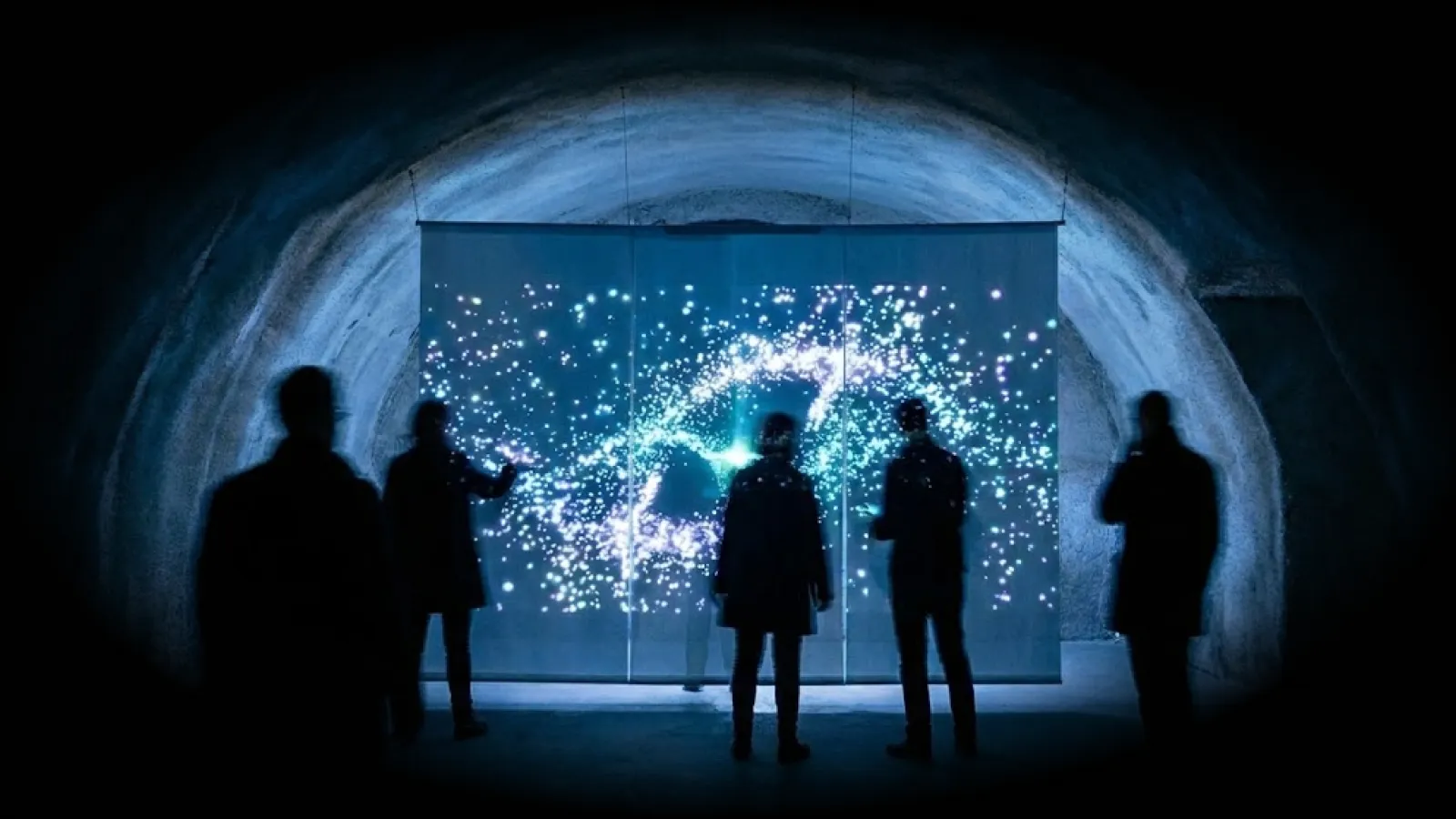
Over the last decade, something subtle but powerful has changed in how people spend their money.
They still buy products, of course—but when they talk about what really matters, it’s not the new phone or the shoes. It’s the trip they took. The immersive exhibition they queued for. The festival, the pop-up, the hotel rooftop they still have photos of in their camera roll.
That shift is what we call the experience economy.
If you run a venue, attraction, hospitality brand or destination, understanding (and using) the experience economy is the difference between being just another place people pass through… and becoming somewhere they go out of their way to visit, remember and recommend.
In this guide, we’ll cover:
- What the experience economy actually is
- Why experiences are winning over “things”
- How it changes the game for venues and destinations
- The four types of experiences you can design
- Practical ways to apply it with interactive and immersive installations
What Is the Experience Economy?
The term “experience economy” was first popularised by Joseph Pine II and James H. Gilmore in the late 1990s.
They described an evolution in how businesses create value:
- Commodities – raw materials (coffee beans, sugar, wheat)
- Goods – manufactured products (a bag of ground coffee)
- Services – doing something for the customer (a coffee served at a café)
- Experiences – staging memorable events around the service (the atmosphere, music, design, ritual and story of somewhere like a speciality coffee shop)
In the experience economy, companies no longer compete only on what they sell, but on the memory of how it felt to interact with them.
It’s not “I bought a ticket.”
It’s “Remember that night when…”
Why Experiences Are Winning
There are three main reasons experiences are overtaking material goods in importance.
1. Experiences Feel More Meaningful
Research in psychology consistently shows that people derive more lasting satisfaction from experiential purchases (travel, meals, events) than from buying objects. A product quickly becomes “normal” in your life; a great experience often becomes a story you tell for years.
That’s powerful. It means the value of a good experience doesn’t drop the moment the guest leaves—it grows each time they remember it or tell someone else.
2. Experiences Are Social Currency
Social media has turned experiences into a form of currency.
A skyline isn’t just a skyline anymore. It’s a backdrop for photos, posts and reels. A unique interaction, a playful room, an immersive moment—these are all opportunities for guests to say:
“This is where I am. This is who I’m with. This is what my life looks like.”
That’s why terms like “Instagrammable” or “TikTok-friendly” appear in briefings. People want shareable moments, and they reward the places that give them those moments with organic promotion.
3. People Are Actively Shifting Spend
From tourism reports to attractions research, a picture is emerging:
- Visitors are planning more trips and attractions, not fewer
- Gen Z and affluent guests are especially keen on unique experiences
- Many are willing to pay more for something that feels special, meaningful, or aligned with their values (for example, sustainability)
In short: consumers are making room in their budget for memorable experiences—and trimming back on things that don’t matter as much.
What the Experience Economy Means for Venues and Destinations
If you operate in any of these areas, you're already inside the experience economy:
- Attractions & museums
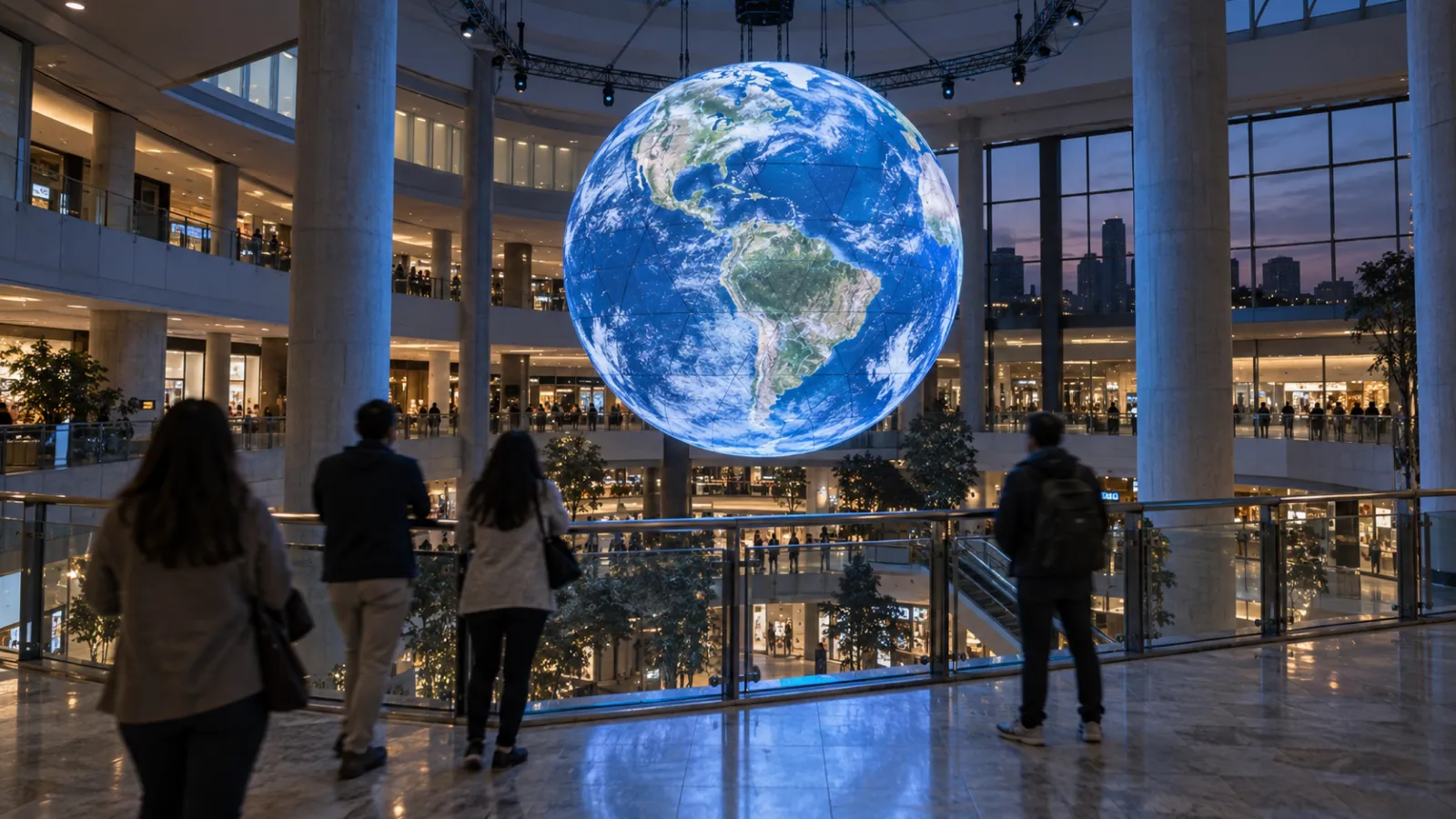
- Retail flagships & malls
- Hotels & hospitality
- Tourism boards & cities
- Workplaces & offices (employee & visitor experience)
The question isn’t “Are we part of the experience economy?”
The question is: “Are we staging experiences deliberately, or hoping they just happen?”
In practical terms, the experience economy means your space is no longer judged only by:
- How many exhibits, shops or rooms you have
- How good the products are
- How convenient your location is
You’re also judged by:
- How your visitors feel while they’re with you
- What they can do, not just what they can look at
- Whether there’s a story they can retell and images they can share
- How well your physical experience connects with the digital journey (from search to ticketing to posting afterward)
The Four Types of Experiences
Pine and Gilmore outlined four “realms” of experience. Most great venues mix more than one.
1. Entertainment
The guest mostly watches and enjoys.
- A live performance in your lobby
- A projection show on a building
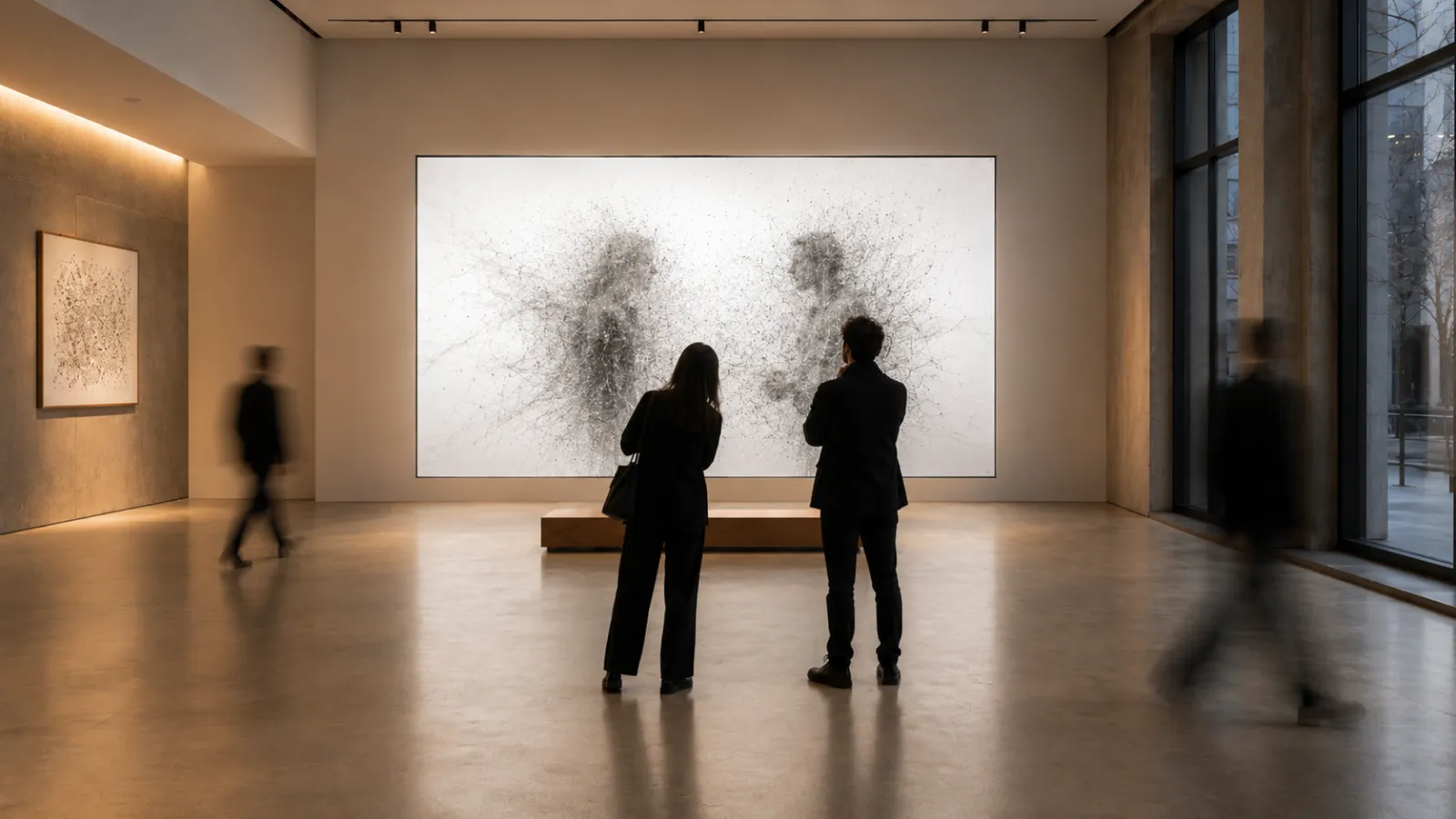
- A digital art piece guests sit and observe
Simple, but powerful when done with strong storytelling and atmosphere.
2. Educational
The guest learns something, often by doing.
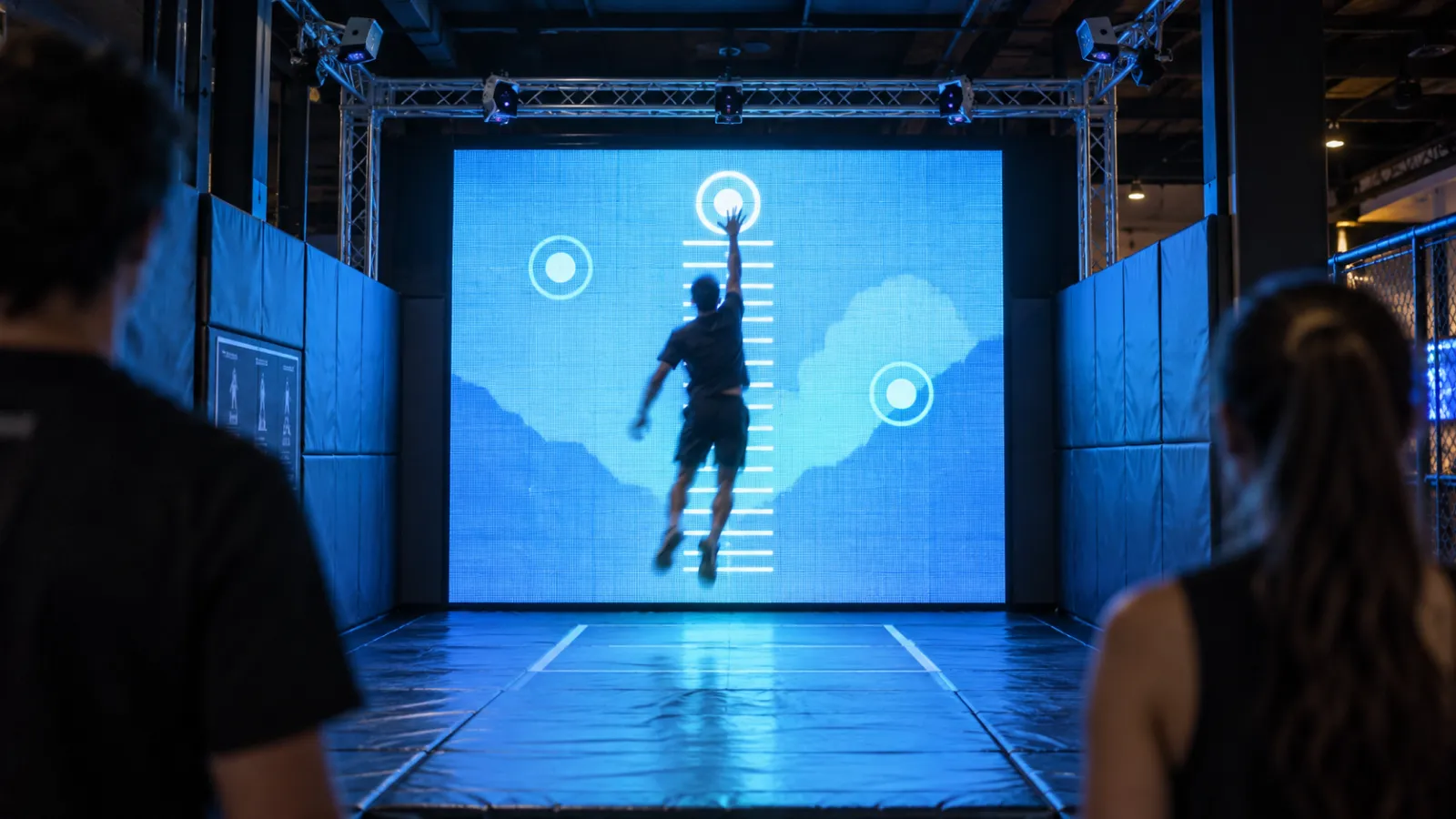
- Interactive exhibits where touching and triggering content is encouraged
- Installations that visualise data (for example, energy use, train flows, ocean health)
- Workshops and hands-on demos
This is especially valuable for museums, science centres, and brands with a complex story to tell.
3. Escapist
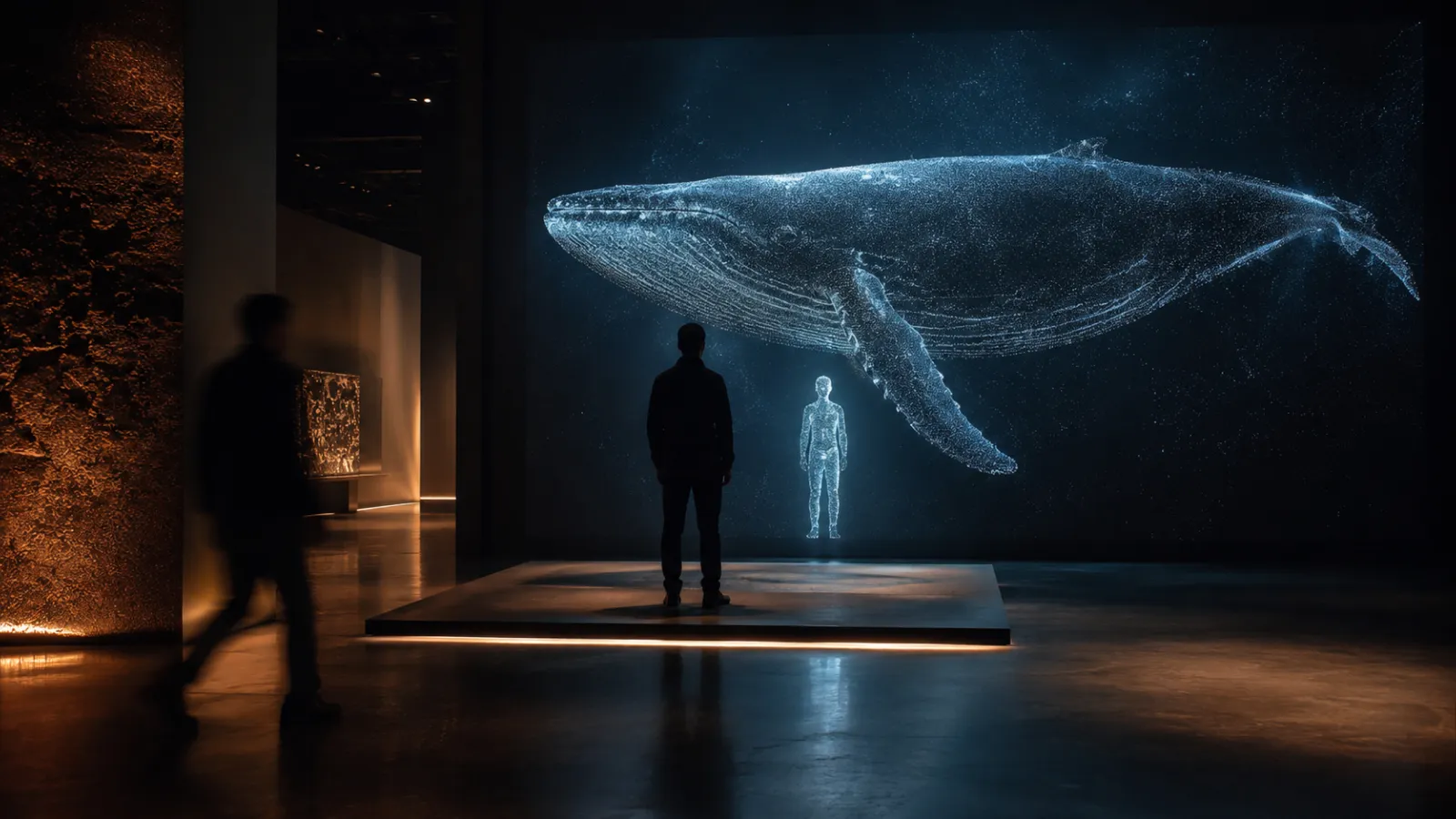
The guest is fully involved and transported into another world.
- Walk-through immersive rooms
- Multi-sensory journeys
- Themed quests or AR layers in your venue
Here, they’re not just watching; they’re inside the story.
4. Aesthetic
The guest is surrounded by beauty or atmosphere.
- A carefully lit, thoughtfully designed lobby
- A rooftop space with artful lighting and soundscape
- A minimal but striking corridor that frames the view perfectly
This is where design, light, and sound turn a space into somewhere people want to linger.
You don’t need to cover all four constantly. But mapping which experiences you offer today can help you see where you’re strong—and where new interactive or immersive layers could make a difference.
Business Benefits of Designing for the Experience Economy
This isn’t just about “delight” for its own sake. Experience design, done well, drives hard metrics.
1. Increased Dwell Time
When guests have something to do, not only something to look at, they stay longer:
- Exploring interactive installations
- Taking photos and videos
- Trying different angles, triggers, or scenes
More dwell time often means more spend on tickets, food, drinks, retail, and add-ons.
2. Higher Perceived Value (and Pricing Power)
A memorable, well-staged experience feels more valuable than a purely functional one. That supports:
- Premium tickets or time slots
- Special packages (evenings, private viewings, VIP access)
- Higher room rates or F&B prices in hospitality contexts
People are willing to pay more when they feel they’re getting a story, not just a service.
3. Organic Reach and Word-of-Mouth
Experiences designed with UGC in mind (clear photo spots, interactive triggers, shareable visuals) turn visitors into your marketing team:
- Posts and reels from guests
- Word-of-mouth recommendations
- Online reviews with detail and enthusiasm
This kind of reach is hard to buy and impossible to fake.
4. Stronger Loyalty and Repeat Visits
If an experience becomes part of someone’s personal story, they’re more likely to:
- Return with friends or family
- Choose you over other options for special occasions
- Follow your brand and turn up for new seasons or installations
A good visit is a transaction. A great experience is the start of a relationship.
How Interactive Installations Fit Into the Experience Economy
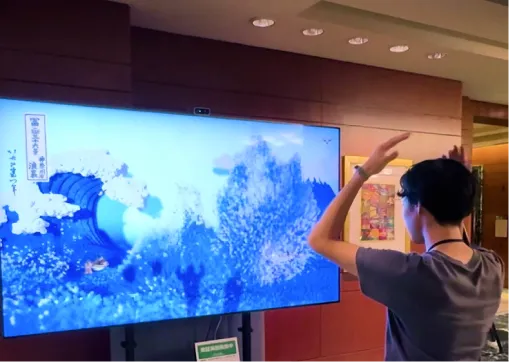
Interactive and immersive installations are one of the most direct ways to act on the experience economy inside a physical space. For a real-world example, see our Hokusai interactive installation at Expo 2025 Osaka.
They can:
- Turn corridors, lobbies and “dead” corners into destinations
- Make abstract stories (sustainability, innovation, heritage) tangible and playful
- Offer clear photo and video moments guests want to capture
- Adapt over time: content and behaviour can change with seasons, campaigns or data feeds
Examples include:
- A light and sound installation that reacts to motion, making each visitor feel they’ve “unlocked” something
- A projection that changes based on live data (arrivals, weather, city energy usage, passenger flows)
- A digital artwork guests can influence with their movements, voices, or phones
- An AR layer that turns your existing architecture into a living narrative
For real installations built on these ideas, browse our 38 interactive installation examples.
Instead of asking guests to simply observe, interactive installations ask them to participate—and that’s the heart of the experience economy.
Principles for Designing Memorable Experiences
Whatever you create—an installation, a full room, a seasonal event—these principles help ensure it works in the experience economy.
1. Lead With Emotion
Ask first: “What should people feel?”
Awe, playfulness, calm, curiosity, pride, connection… then design the interaction and visuals around that.
2. Make Participation Simple
The best interactions are obvious without instructions:
- Walk closer → something happens
- Wave your hand / step on a spot → the scene changes
- Scan a simple QR → unlock a layer
No long explanations, no learning curve.
3. Design for Shareability (Without Forcing It)
Think about:
- Framing: does the scene look good on a phone screen?
- Clarity: in one image or 3-second clip, can someone tell what’s happening?
- Lighting: can people take good photos without flash?
You don’t need “Share this!” signs everywhere. Just make it easy and rewarding to share.
4. Connect Digital and Physical
For many guests, the experience begins:
- On search and maps
- On social media
- On your website or ticketing page
And it continues afterwards when they post or receive follow-ups.
Make sure what they see online aligns with what they feel on-site—and that the installation feels like a natural continuation of that journey.
5. Build in Evolution
The experience economy doesn’t stand still. Design installations that can:
- Change content seasonally
- Host takeovers for brands or sponsors
- Evolve with new modes or “chapters”
That way, the experience can stay fresh without rebuilding from scratch every time.
Getting Started: A Simple Roadmap
If you’re thinking, “This all sounds right, but where do we start?”, here’s a straightforward approach:
Clarify your goal
Is it higher dwell time, stronger brand story, new PR angles, more sponsor value, better employee experience?Map your journey
From first online touchpoint to saying goodbye at the exit—where are the bland moments, the dead zones, the missed opportunities?Choose one strategic location
A lobby, a corridor, a rooftop, a plaza, a concourse. Start by transforming one space into a clear experience anchor.Define the emotion and story
What feeling and story should this specific spot deliver? How does it relate to your brand and audience?Explore interactive options
Light, sound, projection, sensors, AR, generative visuals—pick the medium that best fits the story and constraints of the space.Prototype and test
Even simple tests can reveal: Do people understand the interaction? Do they smile? Do they take out their phones?Launch, observe, iterate
Watch how guests use it. Listen. Adjust content, timing, prompts, or layout based on real behaviour.
Turning the Experience Economy Into Something You Can Stand In
The experience economy isn’t an abstract idea—it’s already shaping where people go, what they share, and what they remember.
For venues, attractions, hotels, cities and workplaces, the opportunity is simple: design experiences that guests can feel, not just see. Interactive installations are one of the most direct ways to do that—turning lobbies, corridors and plazas into destinations people talk about long after they’ve left.
If you’re planning your next season, renovation or flagship project, now is the moment to think in experiences, not just square metres.
FAQs
What is the experience economy?
The experience economy describes a shift in consumer spending from products and basic services toward memorable experiences. Businesses create value not just by what they sell, but by staging engaging, emotionally resonant moments that people remember, talk about, and share.
Why is the experience economy important for venues and brands?
For venues and brands, the experience economy is crucial because it drives higher dwell time, pricing power, and loyalty. When visitors feel something memorable in your space, they are more likely to stay longer, spend more, return with others, and promote you organically.
How does the experience economy affect consumer behaviour?
People increasingly prioritise travel, events, and unique activities over buying more “things”. They seek out places that offer stories, interaction, and social-media-worthy moments, and often cut back on other purchases to afford those experiences.
What are some examples of the experience economy in practice?
Immersive museum exhibitions, interactive light shows, destination hotel rooftops, experiential retail flagships, seasonal city installations, and themed pop-ups are all examples. In each case, the space is designed as a staged experience, not just a functional environment.
How do interactive installations support the experience economy?
Interactive installations invite visitors to participate, not just observe. They transform underused areas into destinations where people can play, co-create, and capture content—boosting engagement, dwell time, and organic sharing.
Is the experience economy just a trend?
No. It reflects a structural shift as services become commoditised and consumers look for meaning, connection, and stories. Memorable experiences are becoming a core way for venues and destinations to stand out and stay relevant.


 Design your next signature moment